A kitchen island can transform your cooking zone into a social hub, but only if it fits. Too cramped and you’ll find yourself sidestepping appliances. Too large and traffic flow suffers, eating up valuable floor space. The sweet spot depends on your kitchen layout, household size, and how you actually cook. This guide walks you through standard island dimensions, real-world options at three size tiers, and the practical measurements you need before ordering materials or calling a contractor.
Table of Contents
ToggleKey Takeaways
- Kitchen island sizes range from compact 24×48-inch models for small spaces to large 48×96-inch designs, with medium 36×72-inch islands offering the best balance for most homes.
- Proper clearance of at least 42 inches around all sides of your island ensures safe traffic flow and comfortable functionality in your kitchen.
- Medium-sized kitchen islands (36–48 inches wide) work best in kitchens between 150–200 square feet and can accommodate two appliances without feeling cluttered.
- Measure your available space, verify structural capacity for island weight (400+ pounds for large models), and avoid blocking your kitchen’s work triangle to ensure optimal layout.
- Small islands excel at storage and fit galley or open-concept kitchens, while large islands require significant floor space (550+ sq ft) and demand careful planning for walkability.
Understanding Standard Kitchen Island Dimensions
Kitchen islands come in a handful of standard widths and lengths, though custom builds are just as common. The baseline island runs 24 inches deep (the same depth as standard countertops) by 36 inches long, roughly the size of a small dining table. Most islands sit 36 to 42 inches tall, matching typical counter height.
Working space around the island is critical. Building codes and practical experience suggest a minimum 42-inch clearance on all sides for traffic and opening appliances. In tight kitchens, 36 inches can work, but you’ll sacrifice comfort. The National Kitchen & Bath Association (NKBA) recommends at least one 36-inch-wide passage on each side of the island for safe movement.
Counter overhang varies based on seating. If the island includes bar seating, you’ll typically extend the countertop 12 to 15 inches beyond the cabinet base on the seating side, leaving room for stools and leg space. No seating? A 2-inch overhang suffices for aesthetics and hand placement.
Small Island Sizes: Perfect for Compact Kitchens
Small islands range from 30 inches wide by 48 inches long to 36 inches wide by 60 inches long. These fit galley kitchens and open-concept spaces where a full-sized island would dominate.
A 24×48-inch island is the bare minimum if you want functional counter space and seating for two. It works best in kitchens already 120 square feet or larger. This size lets you add a prep zone, a cooktop, or a sink without overwhelming the room. Pair it with a 12-inch overhang and two stools, and you’ve got a breakfast spot that doesn’t block traffic to the fridge or pantry.
Small islands excel at boosting storage. Cabinets underneath store pots, small appliances, and linens without taking up wall real estate. Drawers pull out smoothly (install full-extension slides on anything you’ll access daily). The trade-off is that small islands can’t fit many appliances, choose between a cooktop, sink, or dishwasher, not all three.
If you’re working with an ultra-tight space, even a 24×36-inch cart-style island works temporarily. These are mobile, budget-friendly options ideal for renters or trial runs before committing to a built-in.
Medium Island Sizes: Balancing Functionality and Space
Medium islands land in the 36 to 48 inches wide by 60 to 72 inches long zone. This is the Goldilocks size for most homes, versatile, functional, and not overwhelming.
A 36×72-inch island is the sweet spot. It provides ample counter space for meal prep, fits a secondary sink or cooktop comfortably, and allows seating for three to four people. The 36-inch width matches your countertops, so materials and installation feel standard. At 72 inches long, you’ve got room to zone, one end for cooking, the other for plating and cleanup.
Medium islands work in kitchens from 150 to 200 square feet. They require at least 42-inch clearance around all sides: closer spacing triggers bumping elbows when multiple cooks work. Pair this size with a 48-inch base for storage (common for island cabinets) and you’re looking at roughly 150 pounds of cabinet weight plus countertop, manageable for a standard floor with proper support, but verify your joists aren’t compromised by water damage or rot.
This size accommodates two appliances, say, a cooktop and a prep sink, without feeling cluttered. Electrical and plumbing runs are straightforward if you’re installing wired or gas appliances, though you’ll want a licensed electrician or plumber for code-compliant connections. Easy kitchen island plans often center on this dimension for that reason.
Large Island Sizes: Making a Statement in Spacious Kitchens
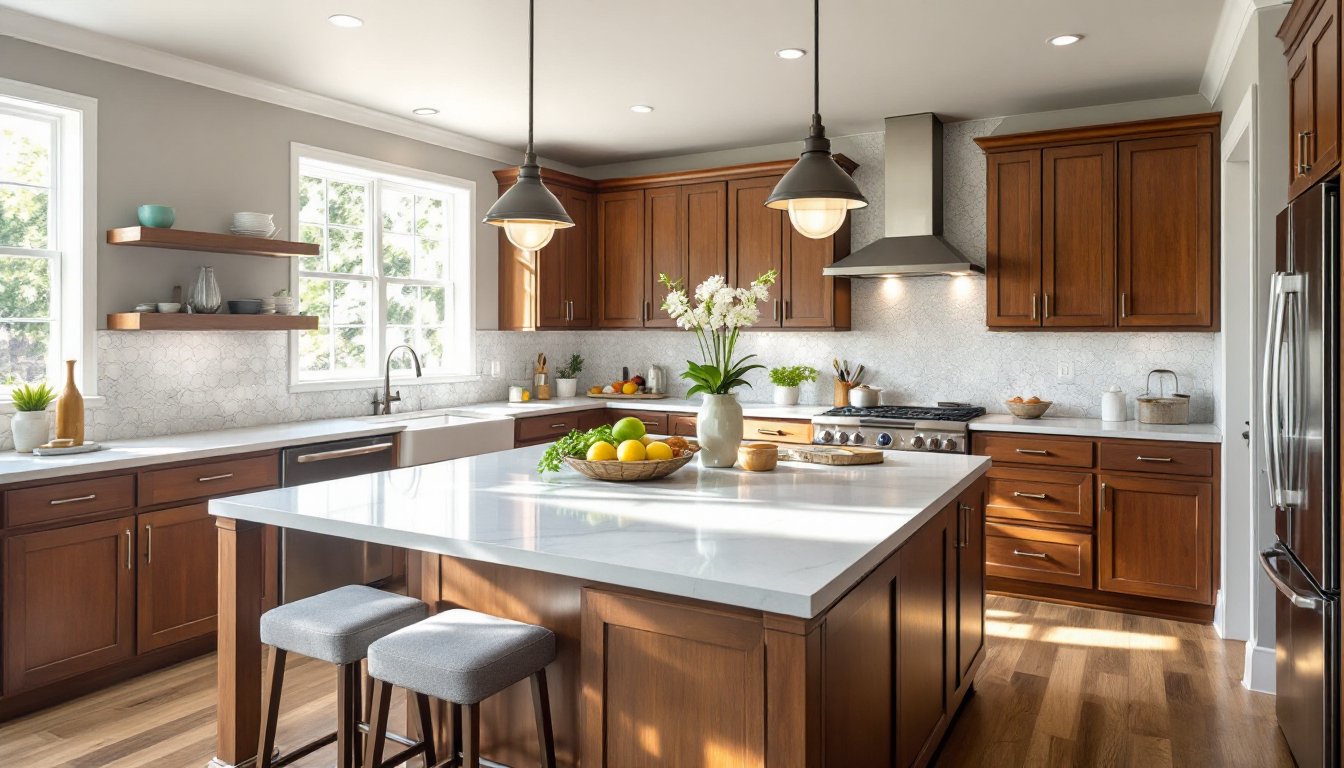
Large islands exceed 48 inches wide and 72 inches long, often reaching 48×96 inches or bigger. These command serious kitchens, 550+ square feet of open layout, and serve as true social centers.
A sprawling 48×96-inch island is essentially a second kitchen counter. Dual prep sinks, dual cooktops, a beverage cooler, and wine fridge can all fit with room to spare. Seating jumps to four to six stools, converting the island into a dining bar. This size justifies custom millwork and premium finishes because you’re making a design statement, not just carving out prep space.
Large islands demand careful structural planning. Weight runs 400+ pounds before accounting for countertop, appliances, and hardware. Verify your floor joist spacing (typically 16 inches on center) and species, older homes with 2×6 joists spaced 24 inches apart may need reinforcement. Call a structural engineer if you’re uncertain: the cost ($300–$800 for a consultation) beats a sagging countertop or cracked flooring.
Clearance becomes tricky. A 48-inch-deep island consumes most of a typical kitchen’s floor space, leaving little margin for error. You’ll need at least 48 inches of walking space on the work side (range side) and 42 inches minimum on the seating side. Kitchens narrower than 16 feet across feel cramped with a large island: reposition your island or downsize to medium.
Key Factors to Consider Before Choosing Your Island Size
Measuring Your Available Space and Traffic Flow
Grab a tape measure and your kitchen floor plan (or sketch one). Measure the longest wall unbroken by doors, windows, or appliances, your island shouldn’t block sightlines or passage routes.
Mark the distance from your island’s edge to the refrigerator, oven, and pantry. These three points form your work triangle. The ideal sum of those three sides is 26 feet or less. If your triangle is 30+ feet, the island isn’t your bottleneck: your kitchen layout is. An oversized island won’t fix poor flow.
Check ceiling height and overhead clearance. Pendant lights above the island typically hang 12 to 18 inches below an 8-foot ceiling. If your kitchen is standard height, an island with upper cabinets (raising the profile to 84 inches) can feel claustrophobic. Stick with base cabinets only, or upgrade to 9-foot ceilings if you’re remodeling.
Consider future needs. A growing family might need more seating and storage: a downsize-minded empty nester might prioritize walkability over function. Island size is harder (and more expensive) to change than countertop accessories or stool upholstery.
Finally, account for daily habits. If you rarely entertain or cook with a partner, a 36×60-inch island delivers everything you need without waste. If your kitchen is your gathering spot, splurge on the extra foot or two. Design inspiration from Houzz shows how various kitchen layouts handle islands at different scales, browsing real homes beats imagining theory.
Building or buying? Home improvement guides from Bob Vila cover the DIY route (cabinet assembly, countertop installation, finish carpentry) and when to hire licensed trades (electrical, plumbing, gas connections). Islands with appliances always need pro help for code compliance, but a simple storage island is very doable over a weekend or two.
Conclusion
Island size isn’t one-size-fits-all. Small islands (24–36 inches wide) suit compact kitchens and tight budgets. Medium islands (36–48 inches wide) balance prep space and livability for most homes. Large islands (48+ inches) anchor spacious kitchens and demand planning. Measure twice, sketch clearance, and verify structural capacity. Your island should make cooking easier and your kitchen feel welcoming, not like an obstacle course. Start with your actual space, not Pinterest dreams, and you’ll nail the fit.