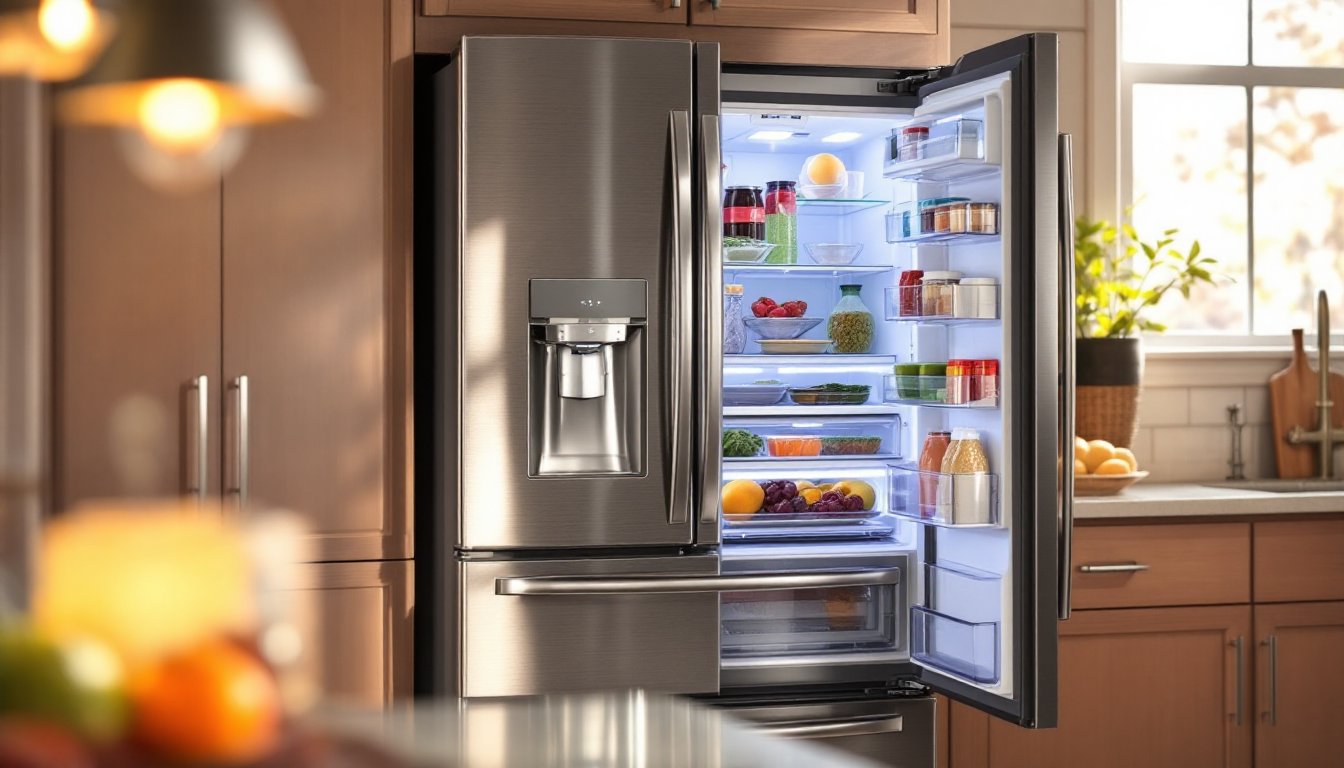
The Kenmore Elite refrigerator model 795 has earned solid standing among homeowners looking for reliable, feature-rich cooling without the premium price tag of high-end brands. Whether you’re replacing an aging fridge or troubleshooting performance issues with your current unit, understanding what this model delivers, and where it stumbles, makes all the difference. This guide walks you through the key specifications, standout features, common problems, and maintenance routines that’ll keep your Kenmore Elite humming for years. If you’re considering this model or already own one, you’ll find practical insights here that go beyond the spec sheet.
Table of Contents
ToggleKey Takeaways
- The Kenmore Elite model 795 offers 28–32 cubic feet of capacity with dual independent cooling zones, advanced defrost systems, and inverter compressor technology that reduces energy consumption and wear.
- Common issues like uneven cooling, frozen water supply lines, and dispenser clogs are typically manageable DIY fixes or service calls ($120–$600) that don’t require sealed-system replacement.
- Regular maintenance—cleaning condenser coils every three months, replacing water filters every six months, and checking door seals quarterly—cuts energy use by 5–10% and prevents costly compressor failures.
- The model’s thermistor sensors and damper doors can fail and send false temperature readings, but a simple multimeter test (~$15–$30) helps confirm whether repair or replacement is needed.
- Proper ventilation clearance (2–3 inches on all sides) and slight front-edge leveling are critical for long-term compressor longevity and efficient door closure.
- The Kenmore Elite 795 combines mid-range pricing with practical features like fingerprint-resistant stainless steel, electronic controls, and dual ice makers, making it a reliable choice for homeowners seeking value without premium costs.
Overview and Key Specifications
The Kenmore Elite model 795 comes in several configurations, but the most common versions feature a 28- to 32-cubic-foot capacity with either French-door or side-by-side layouts. The unit typically measures around 65 to 70 inches tall and 32 to 36 inches wide, fitting standard kitchen openings. It runs on a standard 120-volt, 15-amp circuit, so most kitchens won’t require electrical upgrades.
This model operates with two independent cooling zones, a fresh-food compartment held at 35–38°F and a freezer section at 0°F or colder. The compressor cycles based on thermistor sensors that monitor temperature, so cooling performance depends partly on airflow and sensor accuracy. Energy consumption averages 600–700 kilowatt-hours annually, making it reasonably efficient for its size class. Unlike budget models, the 795 includes dual ice makers (some configurations) and a filtered water dispenser that draws from your home’s water line, requiring a 1/4-inch supply line connection. Humidity-controlled crisper drawers help extend produce life by limiting air circulation when you’re storing vegetables or fruit.
Top Features and Design Benefits
The Kenmore Elite 795 doesn’t skimp on convenience features. Most units ship with electronic temperature controls (rather than dial-based), touchscreen displays, and adjustable shelf arrangements that let you reconfigure storage for tall bottles or bulk items. The fingerprint-resistant stainless steel finish resists smudges better than standard finishes, though it still needs occasional wiping.
One genuinely useful feature is the adaptive defrost system, which reduces frost buildup in the freezer without the energy penalty of older frost-free designs. The model’s alarm system, both an audible beep and, in some versions, a light indicator, alerts you if the door’s been left open for more than 30 seconds or if internal temperature drifts beyond the set range. That’s handy insurance against accidentally spoiled groceries.
Advanced Cooling and Preservation Technology
The 795’s dual evaporators (one for the fridge, one for the freezer) work independently, meaning temperature swings in one zone don’t ripple into the other as much as they would in a single-evaporator design. This separation keeps your fresh food from drying out while your ice stays rock-solid. The inverter compressor (found in newer production runs) adjusts cooling output based on actual load, running slower when ambient temperature is mild and ramping up during summer heat. This reduces power draw and wear compared to compressors that just toggle on and off.
Water filtration uses replaceable cartridges (typically **Maytag or generic **NSF-certified alternatives) that reduce chlorine taste, sediment, and some contaminants. Most filters cost $30–$60 and last about six months, depending on your water quality. Fresh-water bottles stored in the door’s dispensing rack stay colder longer because cold air from the fridge circulates around them, though this is a small efficiency gain.
Common Issues and Practical Troubleshooting
Like any refrigerator, the Kenmore Elite 795 has weak points. Real-world owner reports highlight a few recurring headaches worth knowing about before you call a service tech.
Temperature Control and Cooling Problems
The most common complaint is uneven cooling, one section stays cold while the other creeps up toward 45°F. First check: make sure the vents between compartments aren’t blocked. Frozen ice or food debris can dam up airflow, starving the fridge section of cold air. A simple defrost or repositioning of items often fixes this.
If temperature still climbs, the damper door (a motorized flap controlling airflow to the fresh-food section) may be stuck open or closed. You can access it behind the back panel of the fridge, but checking and replacing it requires disconnecting the unit and pulling the control board. This is doable for a confident DIYer, but if you’re uncomfortable working inside the sealed refrigerant circuit, a service call ($120–$250) is worth it rather than risking a refrigerant leak.
Thermistor sensors occasionally fail, sending false temperature readings to the control board. A multimeter test (cheap tool, ~$15–$30) can confirm whether the sensor has resistance in the expected range, typically 10,000–20,000 ohms at room temperature. If it’s open-circuit or shorted, you’ll need a replacement ($40–$80 part, plus labor if you hire someone).
The compressor motor itself is robust and rarely fails under normal use, but a failed compressor requires sealed-system repair by a licensed technician and typically costs $300–$600 in labor alone.
Water and Ice Dispenser Malfunctions
Ice makers stop dispensing for two main reasons: frozen supply line or a stuck dispenser motor. Start by checking whether water is flowing to the ice maker’s inlet. Feel the copper or plastic tubing behind the fridge, if it’s rock hard or sweating heavily, the line has frozen. A warm (not scalding) towel wrapped around the line for 10–15 minutes usually thaws it. If you live in a very cold garage or uninsulated space, adding foam pipe insulation (about $5 for a 6-foot sleeve) prevents recurrence.
If the line feels normal but ice still won’t dispense, the dispenser motor or solenoid valve may have jammed. A gentle cycle of dispensing (press the lever, release, repeat) sometimes clears minor blockages. Mineral buildup from hard water can also clog the dispenser nozzle, run a water-only cycle (no ice) a few times to flush it.
Water dispensers sometimes leak at connection points. Inspect the compression fitting where the supply line meets the fridge’s inlet valve. A slight turn of the fitting with a wrench (usually 7/16 or 1/2 inch) can tighten it, but don’t over-torque, you’ll crack the fitting. If tightening doesn’t work, the internal valve seal has likely worn out, and you’ll need a replacement valve ($60–$120) and new fitting.
Always turn off the water supply before loosening any fittings. You’ll find the shutoff behind the fridge or at your kitchen’s main water valve. Test your fix by running the dispenser for 30 seconds and watching for drips.
Maintenance Tips for Long-Term Performance
Keeping your Kenmore Elite 795 running smoothly involves a few routine habits that take minutes but extend the unit’s lifespan significantly.
Clean the condenser coils every three months. These fins sit on the back or underneath the fridge and collect dust, forcing the compressor to work harder. Unplug the unit, locate the coils, and use a soft brush or a handheld vacuum with a brush attachment to gently remove buildup. Don’t use compressed air, the pressure can bend the fins. This simple task cuts energy use by 5–10% and prevents overheating.
Replace water filter cartridges on schedule (typically every six months, or as indicated by the status light on the control panel). A clogged filter reduces water pressure and flavor quality: a neglected filter can even promote mold growth inside the cartridge housing.
Check door seals quarterly. Close the door on a dollar bill, if it slides out easily, the gasket isn’t sealing. A worn gasket forces the compressor to run constantly. Many seals cost $50–$100 and pop out and snap back in without tools, though some models require full panel removal.
Vacuum the kick-space vents (if your fridge has them) to prevent dust from clogging air intake. A blocked vent forces heat to build up under the unit, stressing the compressor.
Leave 2–3 inches of clearance on all sides if you’re installing or have room to move the fridge. Cramped ventilation space kills compressor longevity. Leveling the fridge slightly (front edge a hair higher than the back) helps both water drainage and door closure.
If you need component reviews or appliance comparisons before committing to repair or replacement, Good Housekeeping reviews major appliances with real-world testing that goes beyond manufacturer specs. For storage and organization ideas once your fridge is running smoothly, The Kitchn offers practical kitchen solutions that help you maximize your space.
Keep your owner’s manual handy (check the Kenmore website for downloadable PDFs if you’ve lost the hard copy). It contains specific part numbers for your exact serial number, wiring diagrams for DIY diagnostics, and warranty claim guidance. Most Kenmore refrigerators carry a one-year parts-and-labor warranty, with five-year compressor coverage on some models, details matter when you’re troubleshooting whether a fix is covered.
Your Kenmore Elite 795 is a workhorse designed to handle daily use without drama. Attention to cooling zones, dispenser function, and basic coil maintenance will keep it dependable. When something does go wrong, the modular design of this model means most repairs are straightforward enough for a handy homeowner to tackle, or clearly scoped for a service tech. Either way, you’ll know what’s broken and why.
<h2 id="” data-id=””>Final Thoughts
The Kenmore Elite model 795 offers solid performance at a mid-range price point, with practical features that actually simplify daily kitchen life. Uneven cooling, dispenser clogs, and sensor drift are manageable problems, not design flaws, and often fixable without calling a technician. Staying on top of coil cleaning, filter changes, and gasket checks pays dividends in reliability and efficiency. If you’re looking at this model or troubleshooting one you own, you now have the roadmap to keep it performing strong.