Termites cost American homeowners an estimated $5 billion annually in damage, and catching the problem early can save you thousands. If you’ve spotted signs of termite activity or just had a home inspection flag a potential issue, the first question is almost always: how much will treatment actually cost? The price of termite treatment varies wildly depending on your home’s size, the infestation severity, and the method used. This guide walks you through real numbers, what affects your quote, and when DIY monitoring makes sense versus calling in the pros.
Table of Contents
ToggleKey Takeaways
- Termite treatment costs range from $200 to $2,500 for most homes, with liquid barrier treatments being the most affordable option at $300–$900.
- The final price for termite treatment depends on your home’s size, infestation severity, accessibility, and the method chosen—always get three quotes before deciding.
- Bait stations cost more upfront ($700–$1,500) but provide longer-lasting protection than liquid barriers, making them ideal for drywood termites requiring quarterly maintenance.
- Professional termite control is essential if you have confirmed infestation, structural damage, or live in high-risk areas, as licensed technicians offer warranties and access to better products.
- DIY monitoring with boric acid or commercial bait stations can prevent infestations in termite-free homes, but it won’t replace professional treatment for established colonies.
Average Termite Treatment Costs by Method
Most termite treatments in 2026 fall between $200 and $2,500, depending on the approach. A basic liquid barrier treatment, applied around the foundation and perimeter, typically runs $300 to $900 for a standard home. Bait station systems start around $300 and can reach $1,000 to $1,500 for ongoing quarterly monitoring and replenishment. If you’ve got significant structural damage or a severe colony, fumigation (whole-home treatment) climbs to $3,000 to $8,000 and requires you to vacate for 24–48 hours.
Spot treatments for small, localized colonies might cost as little as $150 to $300, but this approach only works if you catch infestation early. Heat treatments, a non-chemical option gaining traction, run $2,000 to $4,000 and work best in drier climates. Most pros offer a free initial inspection, so get quotes before deciding. The initial treatment isn’t the full cost: many termite companies recommend annual inspections (typically $100 to $200) to catch rebound infestations early.
Factors That Affect Your Treatment Price
Several variables shift your quote up or down. Treatment method matters most, liquid barriers are usually cheaper than bait stations, which are cheaper than fumigation. The size of your home, the type of termite species (subterranean, drywood, or dampwood), and whether you have active damage all play a role. Accessibility is another hidden cost driver. If your foundation is buried deep, behind dense landscaping, or if you have a pier-and-beam structure rather than a concrete slab, contractors charge more because setup takes longer.
Home Size and Infestation Severity
A 1,500-square-foot home typically costs less to treat than a 4,000-square-foot one, though the difference isn’t always linear. Contractors usually estimate by the linear footage of your perimeter, not total square footage. A heavily infested home with visible structural damage may require a more aggressive, and expensive, treatment plan than a property with early-stage activity. Some companies charge by the treatment method: others price by the perimeter or square footage. Location matters too: rural areas often cost less than dense suburban developments where equipment access is tighter. Always confirm whether your quote includes follow-up inspections or if those are extra.
Liquid Barrier vs. Bait Station Treatments
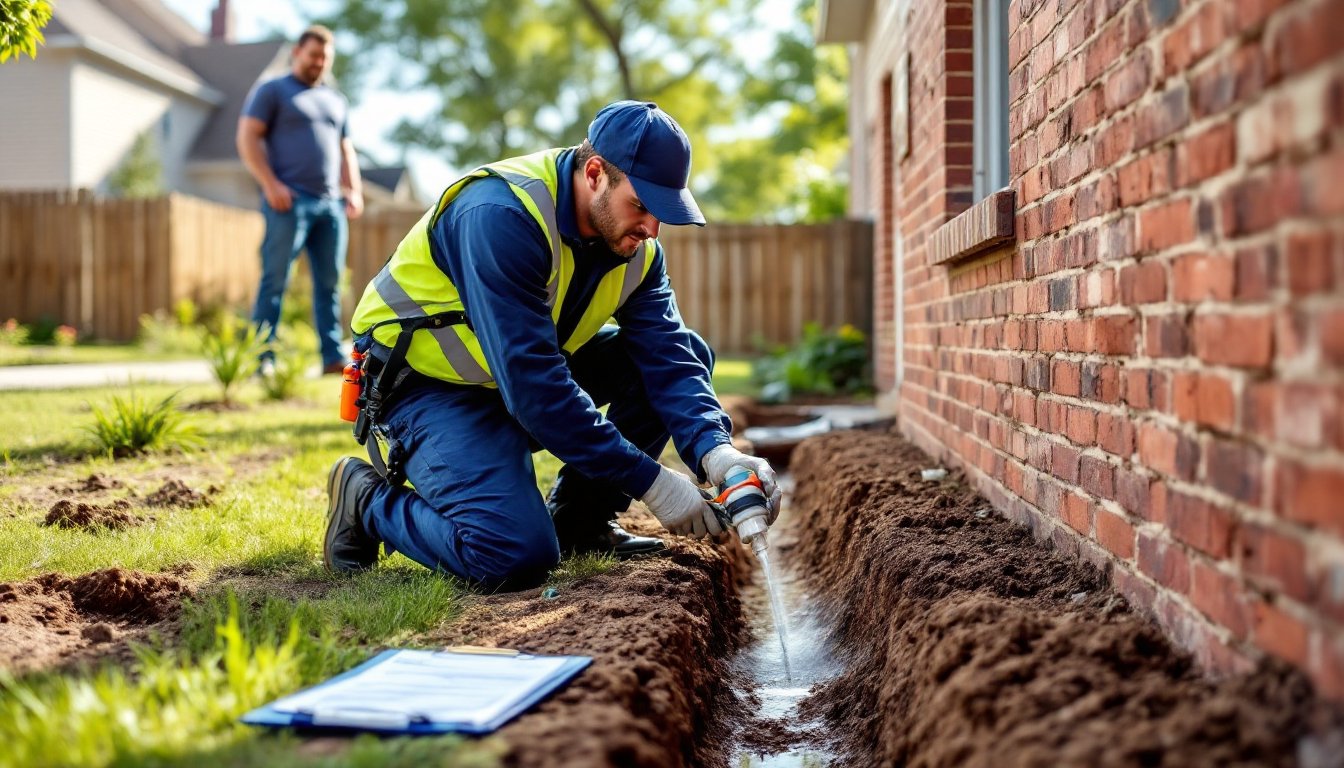
Liquid barrier treatments create a chemical perimeter around your foundation and interior walls. A pro digs a small trench, injects termiticide (usually a pyrethroid or neonicotinoid), and refills it. This method is fast, relatively affordable, and provides immediate protection. The downside: it requires reapplication every 5–10 years, depending on the product and soil conditions. Cost typically runs $300 to $900.
Bait stations (above-ground and below-ground) work differently. They contain slow-acting toxins that termites carry back to the colony, killing it from within. Bait stations cost more upfront ($700 to $1,500) but often last longer because they target the source rather than just the perimeter. You’ll need quarterly or semi-annual inspections and replenishment, which adds $100 to $300 per visit. Bait systems work especially well for drywood termites, which don’t tunnel through soil. If you’re choosing between methods, consider your termite species (ask the inspector), your home’s age, and how long you plan to stay. Professional termite control services often include recommendations based on local experience.
Getting Multiple Quotes and Saving Money
Never accept the first quote. Reach out to at least three licensed termite companies and ask for detailed written estimates. A thorough estimate should include the treatment method, product names (not just “termiticide”), the area to be treated, warranty length, and follow-up inspection schedules. Some companies bundle initial treatment with one free inspection: others don’t. Watch for red flags: anyone quoting without a thorough inspection, or offering prices far below market rates, may be cutting corners on materials or application.
Ask about discounts. Many firms offer 10–15% off if you pay upfront instead of financing, or if you bundle termite treatment with other pest control (roach, ant, or mosquito services). Some provide discounts for annual maintenance plans. You can also ask if they offer warranty work if termites reappear within a specified period (typically 1–5 years). Sites like Angi and ImproveNet let you compare local contractor rates and read homeowner reviews, which can help you narrow down reputable options. Don’t skimp on quality to save $100 or $200: a poorly applied treatment wastes money and leaves you vulnerable.
When to Call a Professional vs. DIY Options
Call a professional if: You’ve confirmed active termite infestation (mud tubes, wings, or frass), your home has structural damage, or you live in a high-termite-pressure area (Gulf Coast states, Pacific Northwest, warm humid climates). Licensed termite control technicians have access to better products, know local termite species and behavior, and can legally apply restricted-use pesticides. They also provide warranties, which DIY treatments don’t.
DIY monitoring makes sense if: You’re doing preventive maintenance on a termite-free home. You can buy boric acid powder ($10 to $20 for a small container) and apply it to crawl spaces or basement joists, though this requires proper ventilation and careful handling (it’s toxic to mammals in high doses). Some homeowners install DIY bait stations (commercial models like Advance or Green Release run $15 to $50 each) in suspicious areas. You’ll check and refill them monthly. This approach works for catching early signs but doesn’t replace professional treatment if you’ve got an established colony.
Permits and regulations: Most termite treatments don’t require permits, but some municipalities have specific rules about pesticide application near water sources or in sensitive areas. Check with your local health department before hiring anyone or attempting DIY treatment. Many states require pest control technicians to be licensed, so verify credentials before writing a check. Never attempt fumigation or heat treatment yourself, these require special equipment and training.
Conclusion
Termite treatment costs between $200 and $2,500 for typical homes, with price driven by method, home size, and infestation scope. Get three quotes, compare warranties, and don’t let price alone drive your decision. If you’ve got active termites or structural damage, professional treatment is an investment that protects your home’s biggest asset. Early detection and regular inspections keep costs manageable and give you peace of mind.