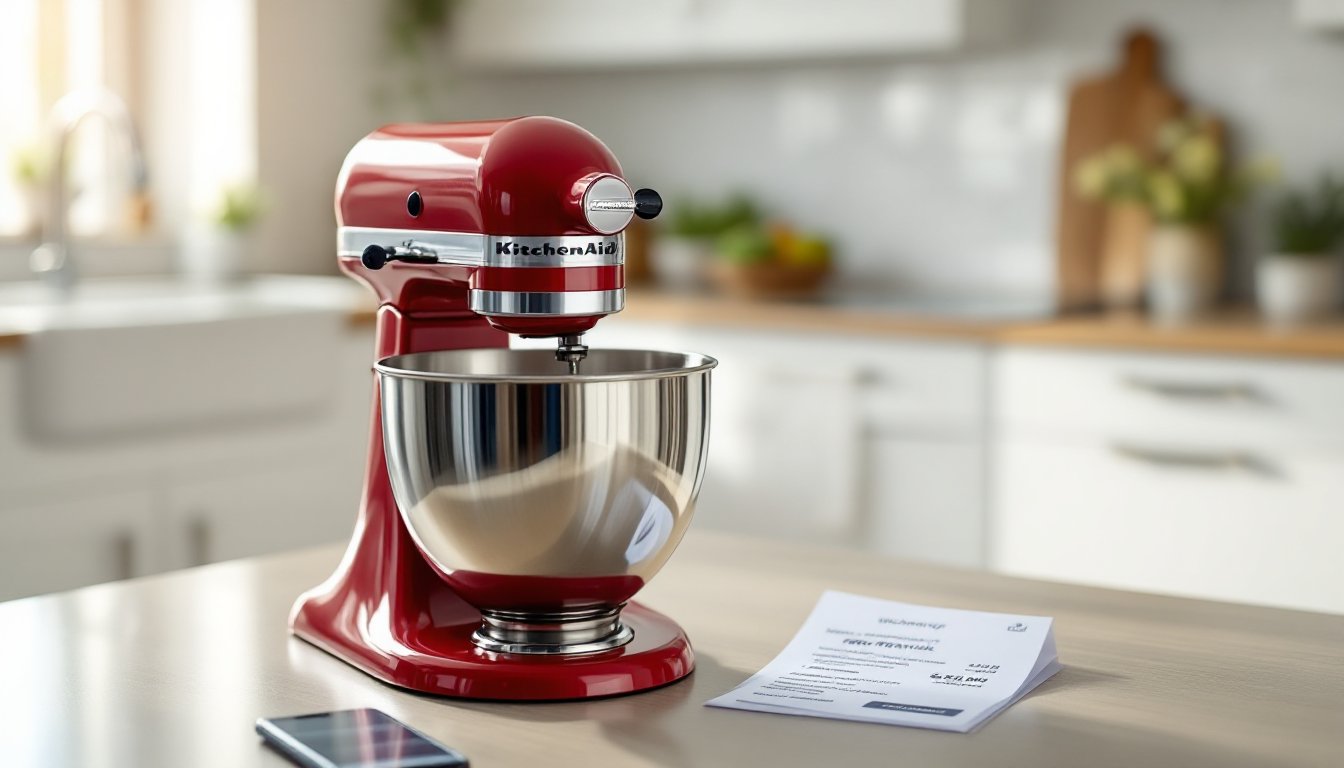
If you’ve invested in a KitchenAid stand mixer, you’re protecting one of the kitchen’s hardest-working appliances. These machines can handle bread dough, whipped cream, and everything in between, but like any major appliance, they come with wear, potential defects, and the occasional breakdown. Understanding your KitchenAid mixer warranty coverage is crucial. Knowing what’s protected, how long that protection lasts, and what steps to take if something goes wrong can save you hundreds of dollars in repair or replacement costs. This guide walks you through the warranty details that matter most, from standard coverage to filing claims and exploring extended protection options.
Table of Contents
ToggleKey Takeaways
- KitchenAid mixer warranty covers manufacturing defects in the motor, gearing, bowl, and mixing attachments for one year from purchase, but excludes cosmetic damage and normal wear-and-tear.
- Registering your mixer and saving your original receipt simplifies the warranty claims process and creates a record of ownership that KitchenAid may require for verification.
- Filing a warranty claim requires gathering your model number and proof of purchase, contacting KitchenAid customer service with specific details, and expecting 2–4 weeks for repairs or replacement.
- User error, water damage, environmental factors, and accidental drops are not covered under KitchenAid mixer warranty protection, so use proper surge protectors and keep the appliance in a dry location.
- Extended warranty plans ($50–$150) can protect your mixer for 2–5 years beyond the standard one-year coverage and are worthwhile if you use your mixer multiple times weekly or plan long-term ownership.
What’s Covered Under KitchenAid Mixer Warranty
Standard Manufacturing Defects and Parts
KitchenAid’s standard warranty covers manufacturing defects in materials and workmanship. This means if the motor fails within the warranty period due to a factory flaw, not user error, KitchenAid will repair or replace it at no cost to you.
The warranty typically covers the stainless steel bowl, flat mixing paddle, spiral dough hook, and coated wire whip. If the motor, gearing, or electrical components fail from a defect, that’s covered too. But, cosmetic damage (dents in the bowl, paint chips on the head) doesn’t qualify.
Less obvious items like the motor brushes and internal bearings are also protected if they fail prematurely due to manufacturing defects. But here’s the catch: wear-and-tear doesn’t count. If you’ve been using your mixer daily for five years and a bearing finally gives out, that’s not a defect, that’s normal aging. KitchenAid expects these tools to work hard, but not forever without maintenance.
Attachments sold separately, such as pasta rollers, grain mills, or sausage stuffers, typically have their own warranty, usually one year from purchase. Always check the documentation when you buy add-ons: coverage can vary. Many homeowners assume the main mixer warranty extends to all attachments, and then get surprised.
Warranty Duration and Registration Requirements
KitchenAid typically offers a one-year limited warranty from the date of purchase for stand mixers. Some retail partners or credit card companies offer extended periods, but the manufacturer’s baseline is 12 months. Always check your receipt or purchase documentation, the date matters.
Here’s what many people miss: product registration. Registering your mixer with KitchenAid isn’t mandatory for warranty coverage to be valid, but it does simplify the claims process. Registration creates a record of your purchase and ownership, which is helpful if you need to file a claim later. You can register online through KitchenAid’s website using your model number and proof of purchase.
If you didn’t register and your mixer fails, you’ll need your original receipt or proof of purchase (credit card statement, store receipt, or order confirmation from an online retailer). Without this, KitchenAid may ask for additional documentation to verify the purchase date and location. Save that receipt, digital or physical, for at least a year after purchase.
The one-year clock starts from the date you buy the mixer, not when you unbox it or start using it. So if you buy it in December and don’t use it until February, you’ve already used up two months of coverage. Keep this in mind if you’re buying as a gift or stocking up ahead of the holidays.
How to File a Warranty Claim
When something goes wrong, acting quickly keeps the process smooth. Here’s the step-by-step approach:
Step 1: Gather your documentation. Locate your original receipt or proof of purchase and the mixer’s model number (found on a label on the bottom or back of the unit). Take clear photos of the problem, whether it’s a broken attachment, a non-functioning motor, or visible defect.
Step 2: Contact KitchenAid customer service. You can reach them through their website, call their toll-free number, or submit a claim online. Have your purchase date, model number, and a description of the issue ready. Be specific: “The motor won’t turn on” is better than “It’s broken.” Customer service will ask whether you’ve performed basic troubleshooting (checking the outlet, ensuring the head is properly positioned, etc.).
Step 3: Follow their repair or replacement instructions. KitchenAid may ask you to ship the mixer to an authorized service center at no cost to you, or they may authorize a replacement to be sent directly to your address. Some retailers also handle warranty claims in-store, so check with where you purchased it first, it might be faster.
Step 4: Expect a timeline. Once KitchenAid receives your mixer or processes a replacement order, repairs typically take 2–4 weeks. Shipping and processing can add another week or two, so patience is required. Keep your claim reference number and any tracking information.
Common Issues Not Covered by Warranty
Understanding what’s not covered is just as important as knowing what is. Warranty exclusions protect the manufacturer from paying for damage that results from misuse, normal wear, or external factors.
User error and misuse top the list. If you used the mixer beyond its recommended speed for an extended period, overloaded it with dough, or forced an attachment that didn’t fit properly, any resulting damage isn’t covered. The same goes for using the mixer for tasks it wasn’t designed for, for instance, grinding rocks or mixing concrete-like substances.
Water damage and electrical issues from environmental causes aren’t covered. If your mixer sits in a damp kitchen, humidity corrodes the motor over time, that’s not a manufacturing defect. Power surges that damage internal circuits also fall outside warranty protection. Use a surge protector and keep your mixer in a dry location.
Cosmetic damage, scratches, dents, paint chips, or discoloration, won’t trigger a warranty claim. These don’t affect function and are considered normal wear.
Normal wear and tear after the one-year period expires means you’re on your own. A bearing wearing out at year three isn’t a defect: it’s the machine doing its job. The best KitchenAid attachments can extend the life of your mixer by distributing workload, but replacement parts and repair labor after year one are your responsibility.
Damage from dropping, impact, or accidents is never covered. If your mixer falls off the counter, that’s on you. Likewise, if you accidentally run it with the bowl missing or spill something inside, warranty doesn’t apply.
Extended Warranty and Protection Plans
If the one-year standard warranty doesn’t feel like enough peace of mind, extended warranty and protection plans are available through KitchenAid and some retailers.
KitchenAid’s own extended plans typically extend coverage to 2, 3, or even 5 years from the original purchase date. These plans cover the same defects as the standard warranty but give you a longer safety net. Costs vary, but expect to pay $50–$150 depending on plan length and the mixer model. Some plans also include accidental damage protection, though that usually costs more.
Retailers like Williams Sonoma, Sur La Table, and online marketplaces often sell their own protection plans at checkout. These third-party plans sometimes offer faster claims processing or in-home repair options. Read the fine print carefully: some plans have deductibles, specific exclusions, or require service through authorized dealers only.
Before buying an extended plan, consider your usage. If you use your mixer several times a week and plan to keep it for a decade, extended coverage makes sense. If you use it occasionally, the standard warranty may be sufficient. Also, check whether your credit card issuer offers extended warranty protection automatically, many premium cards do.
One tip often overlooked: register your mixer and keep the warranty documents in a safe place. When it comes time to claim an extended plan years later, you’ll need proof that coverage was purchased and is still active.
Conclusion
Your KitchenAid mixer is built to last, but coverage doesn’t happen by accident. Register your machine, save your receipt, and know what’s included in your one-year warranty. When filing a claim, be prompt and detailed. If your mixing habits are heavy-duty, weigh the cost of an extended plan against the peace of mind it provides. A kitchen resource like The Kitchn regularly reviews appliances and best practices that complement proper warranty care. With the right coverage strategy and preventive maintenance, your mixer should serve reliably for years to come.