Your home isn’t just a place to sleep, it’s the physical embodiment of how you want to live. Architecture and interior design work hand-in-hand to determine whether your space feels cramped or open, cold or inviting, functional or chaotic. For homeowners and DIY enthusiasts tackling renovations or updates in 2026, understanding this connection is the difference between a project that lands flat and one that genuinely transforms your living experience. Whether you’re knocking down a wall, refreshing a room’s layout, or simply rethinking your design choices, knowing the architectural principles and design strategies that underpin great homes will help you make smarter decisions, and avoid costly mistakes. Let’s walk through how these disciplines intersect and what that means for your next home project.
Table of Contents
ToggleKey Takeaways
- Architecture and interior design work together to determine whether your space feels open or cramped, with architectural constraints like load-bearing walls and ceiling height dictating what interior design can achieve.
- Understanding your home’s architectural style—whether ranch, colonial, Victorian, or contemporary—helps you make intentional renovation choices that preserve character while meeting modern living needs.
- DIY-friendly updates like paint, lighting, flooring, and hardware swaps deliver dramatic transformations without requiring structural work or professional contractors.
- Space planning and traffic flow should be prioritized over aesthetics, ensuring rooms function for how you actually live rather than being styled only for appearance.
- Key interior design principles including balance, rhythm, contrast, proportion, and focal points create cohesive spaces that feel intentionally designed rather than accidental.
Understanding the Connection Between Architecture and Interior Design
Architecture is the bones of your home, the structural framework, materials, and spatial envelope that the builder or architect created. Interior design is how you outfit, arrange, and finish those bones to suit the way you actually live. They’re inseparable.
Architectural decisions (ceiling height, window placement, wall positions, room size) dictate what interior design can achieve. A 9-foot ceiling with large southern-facing windows invites different design choices than an 8-foot ceiling in a north-facing room. Similarly, interior design can mask or highlight architectural features, a fresh coat of paint and repositioned furniture won’t change a room’s footprint, but smart architecture and interior design strategy will transform how it feels and functions.
When planning a renovation, think architecturally first, then design second. If your kitchen feels cramped, you might blame the layout, but the real issue is often load-bearing walls or the position of structural elements you can’t simply move. Understanding these constraints upfront prevents you from designing a beautiful scheme only to discover you can’t build it.
For DIY projects, this means asking: What architectural limitations or opportunities exist in my space? A dropped soffit (the architectural element that hides ducts or beams) can be repositioned or removed: a load-bearing wall cannot. Knowing the difference saves time, money, and frustration.
Key Architectural Styles and How to Adapt Them for Modern Living
Every home falls into an architectural tradition, ranch, colonial, mid-century modern, craftsman, contemporary, and these styles carry built-in aesthetic and spatial rules. You don’t have to follow them rigidly, but understanding them helps you make intentional choices rather than random ones.
If you’re renovating a 1970s ranch, you might embrace its original horizontal lines and open floor plan or carefully modernize it without erasing its character. A Victorian home’s smaller, compartmentalized rooms can feel cramped by today’s standards, but opening them up may damage the home’s architectural integrity and resale appeal.
The key is coherence. A successful renovation feels like a deliberate evolution of the original design, not a patchwork of conflicting styles. This doesn’t mean you can’t blend periods or aesthetics, many homeowners do, but do it knowingly.
Contemporary and Minimalist Approaches
Contemporary and minimalist design are often confused, but they’re distinct. Contemporary refers to current design trends and aesthetics. Minimalist is a deliberate philosophy of reduction: fewer, better-chosen objects: clean lines: intentional space.
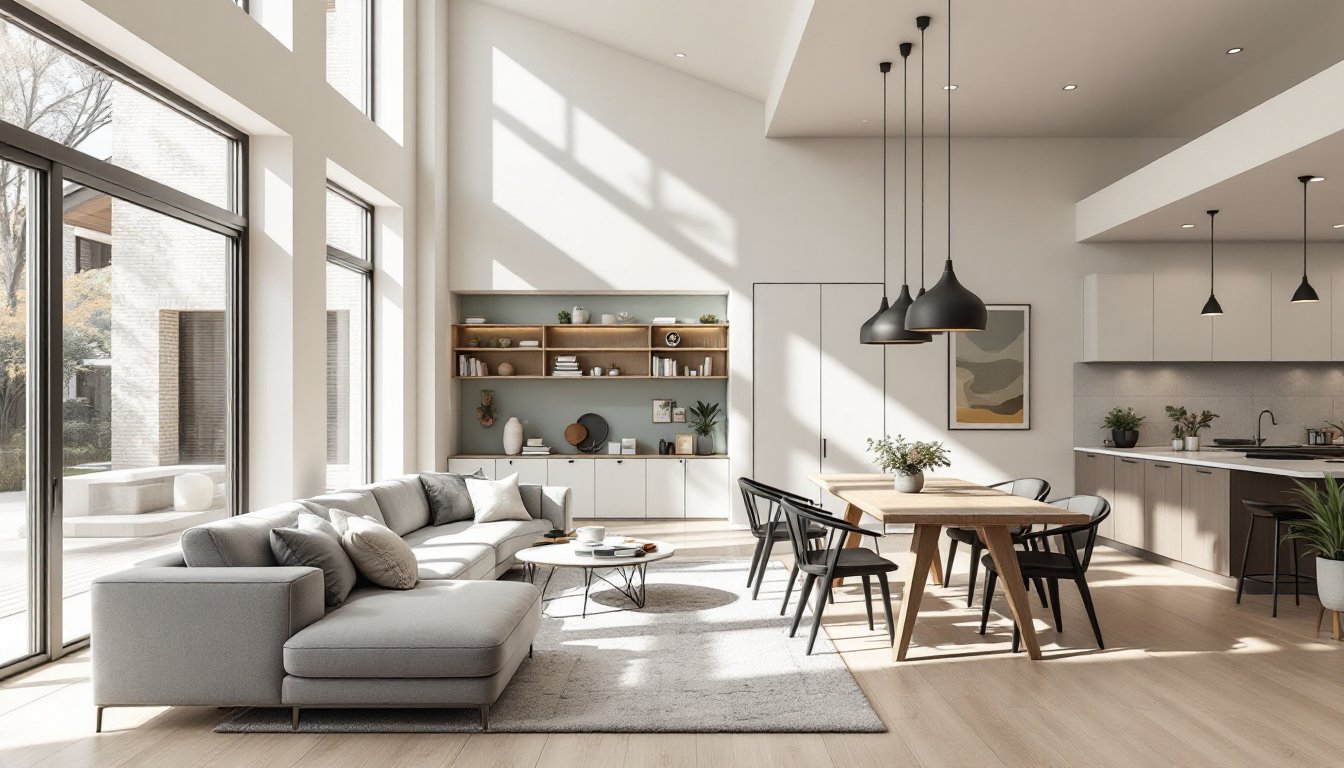
A contemporary interior might embrace bold color, mixed materials, and layered textures. A minimalist interior strips these down to essentials. Both can work in almost any architectural shell, but they require discipline. A contemporary kitchen with open shelving and visible cookware looks curated: without careful editing, it looks cluttered. Minimalist design in a small space amplifies the sense of openness, but in a large, empty room it can feel cold.
For DIY projects, adapting to contemporary or minimalist aesthetics often means rethinking storage. Built-in cabinets, custom shelving, or hidden storage keep visual clutter at bay. Paint color is another lever, neutral, matte finishes read modern and calm: glossy or saturated colors feel more traditional or playful. These changes require no structural work but yield dramatic results.
Interior Design Principles Every Homeowner Should Know
A few foundational principles guide good interior design and apply to any room you’re refreshing.
Balance keeps a space from feeling lopsided. Visual weight comes from color, size, and texture. If your sofa dominates one side of the living room, balance it with a bookshelf, media console, or grouping of artwork on the opposite wall. Asymmetrical balance (different but equally weighted elements) often feels more dynamic than symmetrical mirror-image layouts.
Rhythm guides the eye by repeating elements, colors, shapes, materials, throughout a space. Use the same cabinet hardware, lighting style, or accent color in multiple rooms to create flow. This doesn’t mean everything matches: it means intentional repetition.
Contrast prevents monotony. If your walls, flooring, and furnishings are all beige, add a jewel-toned accent wall or statement lighting. Contrast draws focus and makes spaces feel designed, not accidental. Just avoid contrast that jars: it should feel intentional.
Proportion and scale ensure furniture fits the space. An oversized sectional in a small living room overwhelms: a delicate dining chair in a grand dining hall gets lost. As a rule, seating should leave roughly 18 inches of walking space on all sides. This isn’t a hard rule, but ignoring proportion creates frustration.
Emphasis (or focal points) gives the eye a place to rest. Every room benefits from a primary focus, a fireplace, large window, art installation, or feature wall. Arrange furniture and lighting to highlight this focal point rather than compete with it.
Space Planning and Flow for Better Functionality
A beautifully decorated room that’s awkward to move through or live in fails on fundamentals. Space planning comes first.
Start by identifying the room’s natural traffic patterns. People move along the shortest, least obstructed path. Blocking this flow with a sofa or table creates friction. Instead, furniture should gently guide traffic while defining functional zones.
Zoning is critical in open-plan homes. Unlike compartmentalized layouts, open spaces need visual and functional divisions. A dining table, area rug, or change in floor level tells the brain, “This is the kitchen zone: that’s the living zone.” In a studio or one-bedroom apartment, zone furniture and lighting can define a bedroom or home office within a larger room without structural walls.
Measure doorways, hallways, and sightlines. A 3-foot-wide hallway allows one person to pass comfortably: squeeze a console table there and it becomes a pinch point. Can a sofa be delivered and maneuvered through doors? Will new cabinetry block a window’s light?
Functionality often wins over aesthetics. A room must work for how you actually live. If you entertain 12 people monthly, design around that reality, leave space for a large table, ensure seating can be rearranged, plan adequate lighting for evening gatherings. Too often, homes are styled for Instagram and don’t accommodate daily life.
Practical Tips for DIY-Friendly Renovations and Updates
Most home improvements don’t require a contractor. Painting, new flooring, hardware swaps, and repositioning furniture are all DIY-friendly and yield visible results.
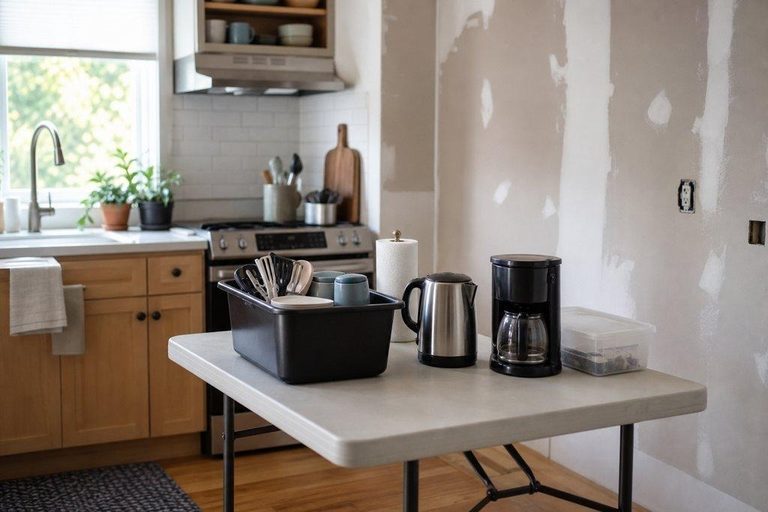
Paint is the fastest architectural makeover. A fresh coat resets a room’s mood. Before painting, prep surfaces properly: fill holes with spackling compound, sand smooth, and prime, never skip primer on new drywall or over dark colors. Use quality paint in the finish appropriate for the room (flat or matte in bedrooms, eggshell or satin in kitchens and baths for durability and washability). Two coats of decent paint outperform one coat of premium paint.
Lighting transforms architecture. Where ceiling fixtures exist, install pendant lights or track lighting to highlight focal points and improve layering (ambient, task, accent light). Under-cabinet lighting in kitchens is affordable and high-impact. Dimmer switches add versatility at minimal cost. Architectural elements like crown molding or bookcases come alive under deliberate lighting.
Flooring updates are DIY-friendly at lower budgets. Vinyl plank flooring (luxury vinyl or LVP) mimics wood or tile, installs over existing subfloors with minimal prep, and costs less than hardwood. Polished concrete in basements or garages feels industrial-modern. Large-format tile ($2–5 per square foot installed) stretches perception: fewer grout lines read as more spacious.
Studies of residential design show that architectural elements create visual interest and guide spatial perception. Intentional design doesn’t require gutting, it requires strategy.
Hardware and fixtures signal style. Cabinet knobs, faucets, light switches, and door handles are inexpensive swaps with outsized impact. Matte black hardware reads contemporary: polished brass reads warm traditional. Consistency matters: repeat hardware styles across kitchens, baths, and doors for coherence.
Storage solutions unlock functionality. A closet with bins is invisible: open shelving with curated objects is design. Custom closet systems ($500–2,000 installed) eliminate floor clutter. Floating shelves, wall-mounted desks, and built-in benches maximize small spaces without renovations.
For structural work (removing walls, relocating plumbing, adding an egress window), hire a professional. A load-bearing wall requires an engineer and permit: mistakes are dangerous and expensive. Similarly, electrical and plumbing work should meet code and may require licensed professionals depending on your jurisdiction.
Conclusion
Architecture and interior design aren’t separate disciplines, they’re two parts of a conversation about how you inhabit your home. Great spaces work because they respect architectural constraints while leveraging them intentionally. Whether you’re planning a full renovation or refreshing a single room, start by understanding your home’s architectural language, then layer in design choices that enhance it. Paint, lighting, flooring, and smart furniture placement go further than most DIYers expect. For structural changes, respect the limits of DIY and call in professionals. The best home projects honor both the integrity of the original architecture and the lifestyle you want to live within it.