
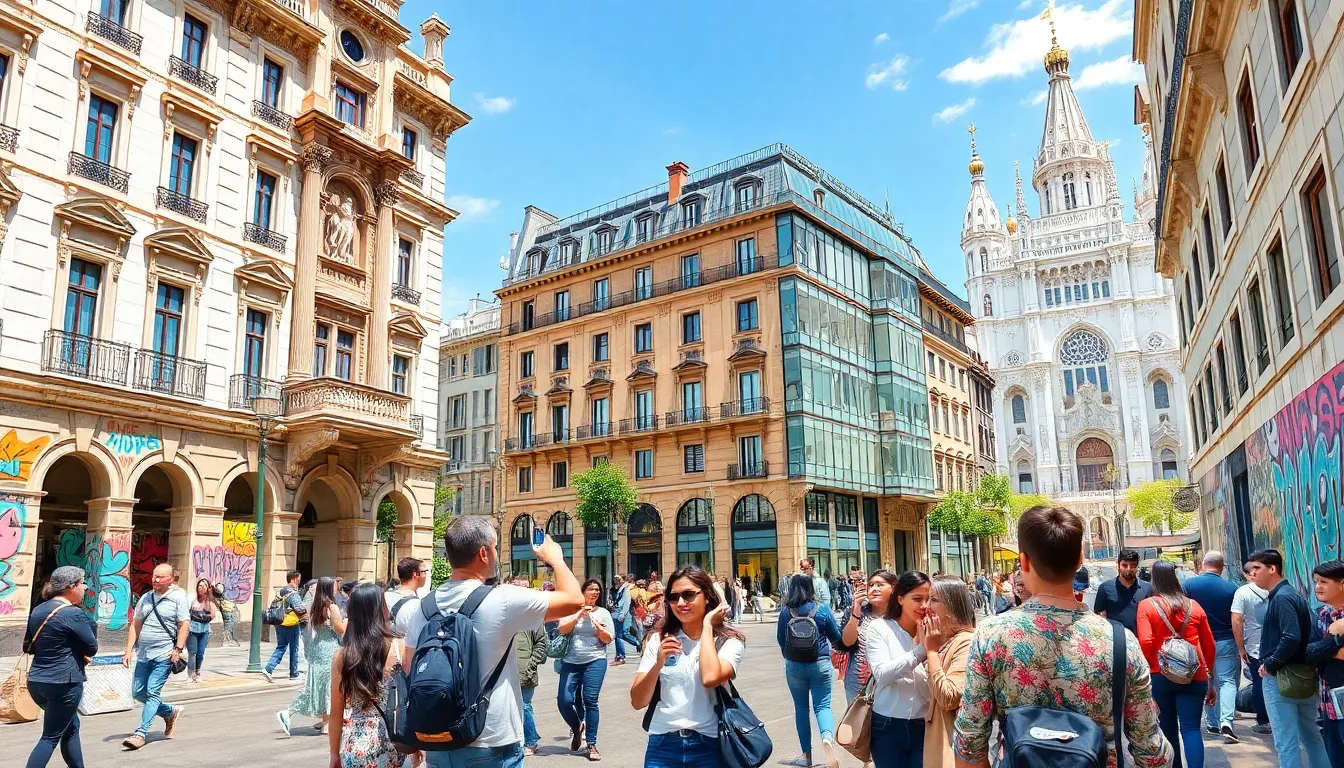
Madrid’s architecture is like a well-dressed Spaniard—stylish, diverse, and full of surprises. From the majestic Royal Palace to the quirky buildings of Malasaña, this city offers a feast for the eyes that’ll leave anyone feeling inspired. Whether you’re a history buff or just someone who appreciates a good Instagram backdrop, Madrid’s architectural gems promise to make your heart skip a beat.
Wander through its streets, and you’ll find a blend of Gothic, Baroque, and modern designs that showcase the city’s rich cultural tapestry. Each building tells a story, and every corner holds a secret waiting to be uncovered. So grab your camera and prepare to be captivated by the stunning structures that define Madrid, where every façade has a personality and every arch has a tale to tell.
Overview of Madrid Architecture
Madrid architecture showcases a fascinating blend of historical and contemporary styles. Iconic landmarks reflect this diversity, from the neoclassical Royal Palace to the vibrant and artistic structures in Malasaña. Various architectural movements, including Gothic, Baroque, and Modernism, are evident throughout the city.
Buildings like the Almudena Cathedral highlight Madrid’s rich cultural influences. The cathedral combines Neo-Gothic elements with traditional Spanish motifs. Meanwhile, the city’s skyline features impressive modern structures, such as the Torres Kio and the Cuatro Torres Business Area.
Significant districts contribute to Madrid’s architectural diversity. Elegant avenues like Gran Via display stunning Art Deco buildings alongside contemporary designs. Areas such as Lavapiés offer a juxtaposition of historical charm and street art, making every corner visually engaging.
Explorers of the city discover stories embedded within its architecture. Each structure carries historical narratives and cultural significance, inspiring awe among locals and visitors alike. Styles span centuries, reflecting influences from various civilizations that have shaped Madrid.
Heritage conservation plays a vital role in maintaining the architectural integrity of the city. Many buildings undergo restoration to preserve their original beauty, ensuring that future generations appreciate Madrid’s unique character. As a result, walking through the streets becomes an enriching experience, where architecture tells the tale of time.
Historical Influences
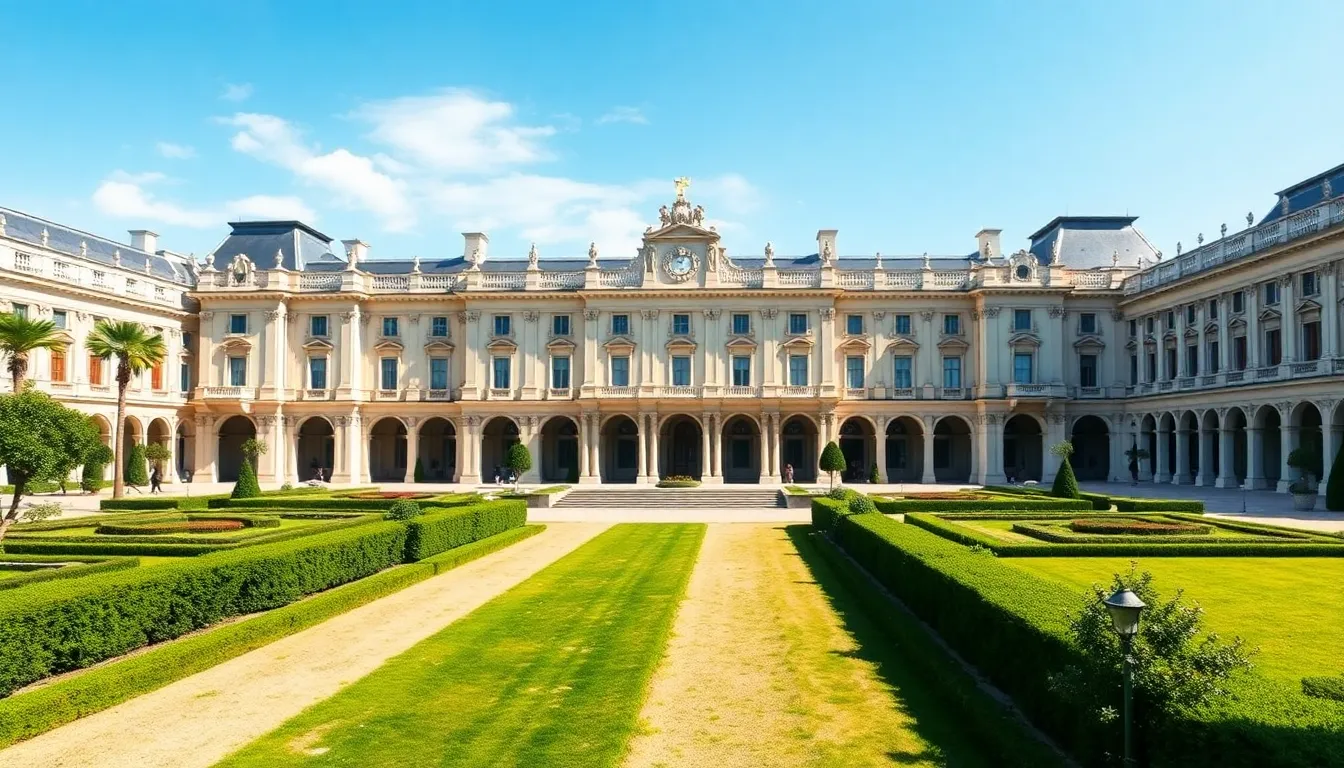
Historical influences shape Madrid’s architectural landscape, showcasing a blend of styles that narrate the city’s evolution. Various movements have left distinct marks, enriching the cultural fabric.
Renaissance Architecture
Renaissance architecture flourished in Madrid during the 16th century, characterized by symmetry and proportion. Prominent examples include the Royal Palace, which embodies the classical ideals of this period. Elements such as columns and arches create a balanced aesthetic. Notably, the Church of San Antonio de los Alemanes features stunning interiors that reflect the artistry of the era. Craftsmen emphasized harmony and elegance in their designs, establishing a strong foundation for future styles.
Baroque and Neoclassical Styles
Baroque and neoclassical styles emerged in the 17th and 18th centuries, transforming Madrid’s skyline. The Palacio de Cibeles stands out as a prime example of the Baroque style, marked by ornate details and grand facades. Similarly, neoclassical architecture introduced a sense of order, evident in the design of the Prado Museum. Clean lines and classical motifs dominate these structures, emphasizing rationality. Significant landmarks showcase these styles, illustrating Madrid’s aesthetic evolution throughout history.
Modern Architectural Trends
Modern architectural trends in Madrid showcase innovative designs that enhance the city’s skyline and character. This evolution highlights how contemporary styles coexist with historical influences, creating a unique urban environment.
Contemporary Landmarks
Contemporary landmarks in Madrid exemplify cutting-edge design. Structures like the CaixaForum, known for its striking green wall, engage visitors in both aesthetics and purpose. The new Madrid Río project revitalizes urban spaces along the Manzanares River, blending natural elements with modern leisure facilities. Cultural hubs such as the Matadero Madrid bring life to old industrial sites, transforming them into vibrant community spaces. Each landmark reflects a commitment to innovation while respecting the city’s rich history.
Sustainable Architecture
Sustainable architecture increasingly influences Madrid’s development. Cutting-edge buildings incorporate eco-friendly technologies, maximizing energy efficiency and minimizing environmental impact. Projects like the Silo de la Innovación demonstrate this trend with green roofs and solar energy systems. Urban planners prioritize creating spaces that promote sustainable living, integrating green areas into busy neighborhoods. The emphasis on sustainability fosters a healthier city and highlights Madrid’s role in addressing climate challenges.
Notable Architects of Madrid
Madrid boasts several prominent architects whose contributions shaped its architectural landscape. Francisco de Goya, renowned for his paintings, also influenced neoclassical architecture through his design work. His artistic touch appears in various buildings, merging art and architecture seamlessly.
Another notable figure, Antonio Palacios, played a crucial role in defining Madrid’s early 20th-century architecture. His creations, such as the Palacio de Cibeles and Palacio de Bellas Artes, feature intricate details and a blend of styles. The unique use of decorative elements in his buildings reflects a modernist vision while paying tribute to historic aesthetics.
Not to be overlooked, Ricardo Bofill, a contemporary architect, transformed urban architecture in Madrid. Bofill’s work on the Les Arcades housing complex exemplifies a commitment to blending functionality and creativity. His innovative designs evoke a strong sense of place, adding character to the city.
The legacy of Miguel Garrido echoes through modern Madrid with sustainable designs that harmonize with the environment. Projects like the Silo de la Innovación demonstrate his focus on integrating green spaces into urban planning. Sustainable architecture in his vision prioritizes both functionality and aesthetics.
In addition to these figures, the contributions of other architects like Jesús Hernández and María José de Alcaraz reflect a variety of styles. Each architect leaves a distinct mark on the city’s skyline, creating a rich tapestry of historical and modern influences. Collectively, these architects showcase Madrid’s dynamic architectural identity, blending tradition with innovation in captivating ways.
Madrid Architecture Tours
Madrid architecture tours provide an immersive experience for enthusiasts and casual visitors alike. Guided walking tours highlight iconic landmarks, showcasing the Royal Palace, Almudena Cathedral, and Palacio de Cibeles. Each structure offers insights into the city’s architectural evolution, revealing stories behind their designs.
Specialized tours focus on specific styles, such as Baroque, neoclassical, or modern architecture. Neighborhood tours uncover hidden gems in districts like Malasaña and Lavapiés, where street art complements historical architecture. Participants can admire Art Deco buildings alongside contemporary structures, enriching their understanding of the city’s aesthetic blend.
Various tour companies operate, offering different formats including bike tours and bus tours. Online platforms enable easy booking of tours that accommodate diverse interests. Some companies provide audio guides, adding context to each stop along the way.
Walking tours in the evening spotlight Madrid’s illuminated skyline. Perspectives change at night, as lights accentuate the city’s architectural details, creating a magical experience. Popular routes often include the Gran Via, where the juxtaposition of modern and traditional buildings captivates visitors.
Architectural workshops also enrich the tour experience. These workshops invite participants to engage with the design elements of local buildings. Learning about the principles of sustainable architecture, visitors explore projects like the CaixaForum and the Madrid Río initiative.
Personalized tours cater to specific interests, allowing for a tailored exploration of Madrid’s architectural treasures. Expert guides share in-depth knowledge about the city’s architectural influences, making every tour unique. Overall, Madrid architecture tours offer an engaging way to appreciate the city’s rich heritage and innovative designs.
Madrid’s architectural landscape is a captivating blend of history and modernity. Each structure contributes to the city’s unique character while narrating its evolution through various styles and influences. From the grandeur of neoclassical buildings to the innovative designs of contemporary architecture, Madrid offers a visual feast for all who explore its streets.
The city’s commitment to preserving its architectural heritage while embracing sustainable practices ensures that future generations will continue to appreciate its beauty. Whether wandering through historic districts or discovering hidden gems, visitors are bound to find inspiration in Madrid’s diverse architectural tapestry.