
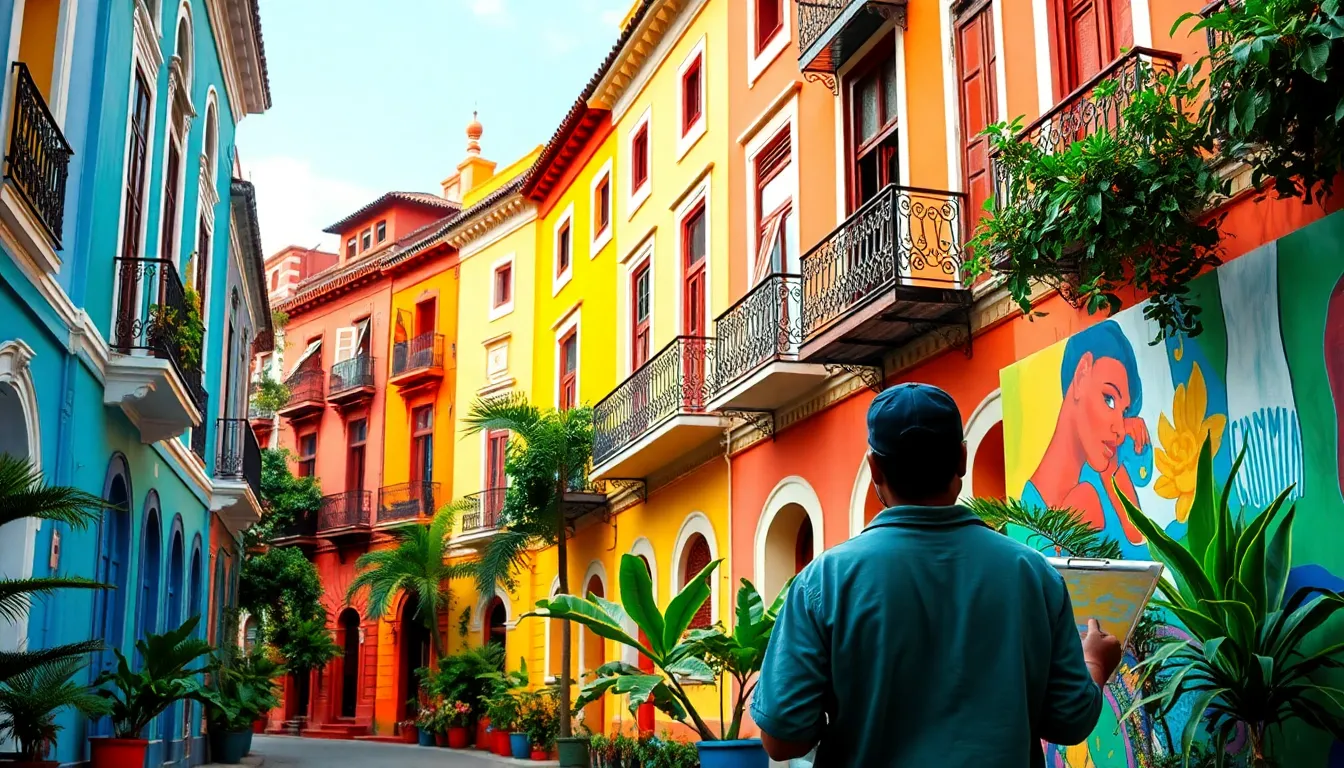
Colombian architecture is a delightful blend of history, culture, and a sprinkle of magic that’ll make anyone stop and stare. From the colorful facades of Cartagena’s colonial buildings to the sleek lines of modern Bogotá, this country offers a visual feast that’s as rich as its coffee. It’s like walking through a living museum where every structure tells a story, and trust us, some of those stories are downright hilarious.
Overview of Colombian Architecture
Colombian architecture showcases a variety of styles reflecting its rich history and diverse cultural influences. Colonial architecture dominates cities like Cartagena, where colorful facades and intricate balconies create stunning streetscapes. Modern designs in Bogotá contrast sharply, with sleek lines and innovative use of materials defining the skyline.
Traditional elements, like adobe and tiled roofs, highlight the indigenous impact on architectural practices throughout the region. Notable churches, such as the Catedral Primada in Bogotá, exemplify the blend of Spanish colonial and local craftsmanship. Universities and cultural institutions often incorporate open spaces, fostering community interaction and engagement.
Regions like the coffee triangle feature unique houses built with local materials, emphasizing sustainability and harmony with nature. Various architectural movements, including Art Deco and Modernism, have left their mark on urban landscapes, enriching the overall visual narrative.
Elements of African influence appear in the Caribbean coast’s architecture, where vibrant colors and rhythmic patterns capture the cultural fusion. Each region in Colombia tells its own story through architecture, inviting exploration and appreciation of its evolutionary timeline. Landmarks, such as El Castillo de San Felipe de Barajas, represent the country’s rich military history while showcasing remarkable defensive designs.
Colombian architecture offers a captivating journey through time and culture, creating a visual representation of its complex identity. Structures reflect adaptability, resilience, and creativity, making them essential to understanding the nation’s heritage.
Historical Influences
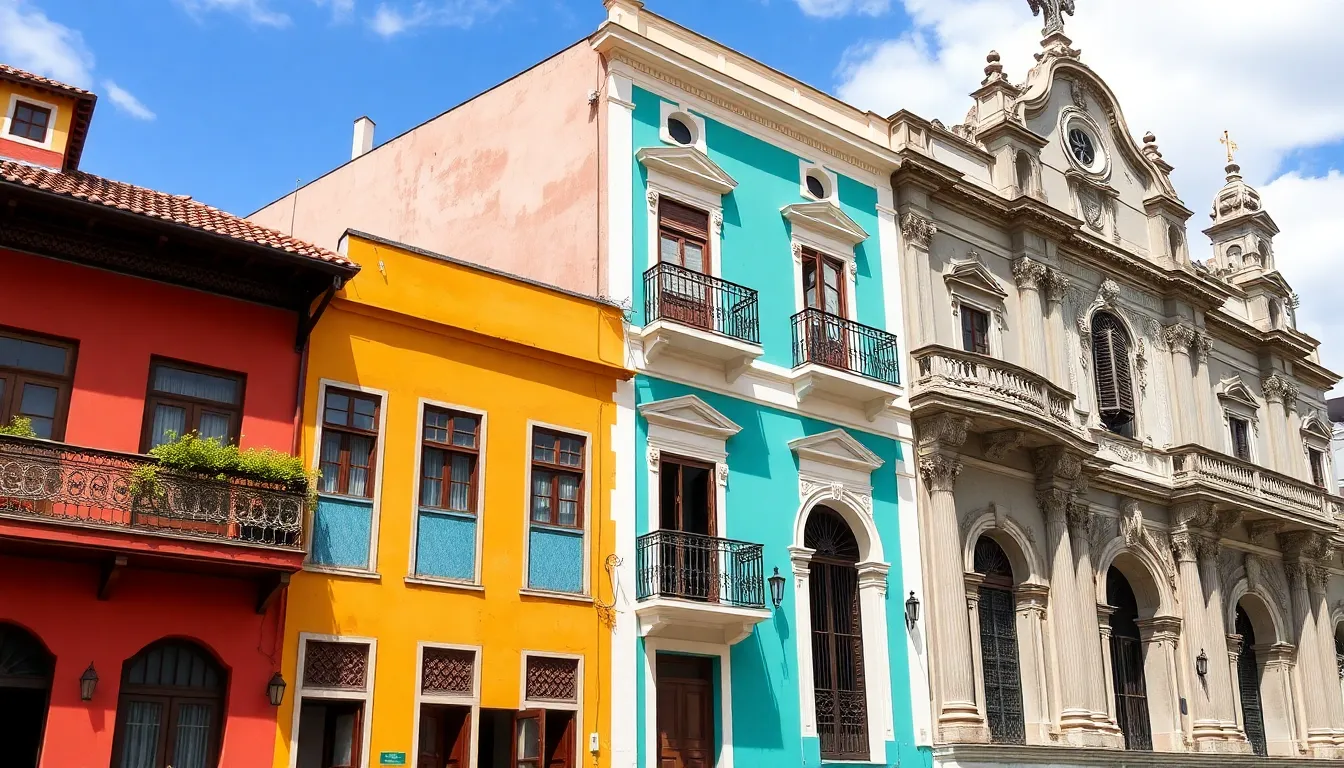
Colombian architecture showcases a fusion of historical influences that shape its diverse landscape. These influences highlight the country’s unique cultural narrative.
Pre-Columbian Architecture
Indigenous tribes constructed varied architecture before Spanish colonization. Circular homes made from natural materials, such as wood and palm, were common. The Muisca people, known for their agricultural practices, built extensive ceremonial sites, like the famous El Infiernito. They utilized stone and worked closely with their environment to create functional and symbolic structures. These early designs reflect harmony with nature and community values, continuing to inspire modern architects.
Colonial Architecture
Spanish colonists introduced distinct styles that transformed Colombian architecture. They built imposing churches and government buildings using local resources, creating a unique blend of European designs and indigenous craftsmanship. Major cities like Cartagena feature colorful facades adorned with elaborate balconies. Structures, such as the Catedral de Santa Catalina in Cartagena, exemplify Baroque influences alongside local materials. These colonial buildings exhibit intricate details and represent the social hierarchies of that era, forming an integral part of Colombia’s architectural heritage.
Key Architectural Styles
Colombian architecture embodies various styles influenced by its rich cultural heritage. Notable styles include Republican and Modernist architecture, each contributing to the country’s unique architectural identity.
Republican Style
Republican Style emerged in the 19th century, characterized by neoclassical influences. Architects integrated European elements such as columns and pediments into government buildings. Noteworthy examples include the Capitolio Nacional in Bogotá, which serves as the legislative seat. Structures display symmetry and grandeur, symbolizing national pride. Emphasis on civic spaces mirrors Colombia’s pursuit of modernization following independence. This style not only enhanced public buildings but also influenced residential designs across various cities.
Modernist Architecture
Modernist Architecture took hold in Colombia during the mid-20th century, marking a departure from traditional styles. Architects embraced clean lines and functional forms, prioritizing minimalism and sustainability. The Torres de Parque Central exemplify this movement with their innovative designs that blend into urban landscapes. Designers focused on creating spaces that fostered community interaction. Glass and steel became preferred materials, enhancing natural light and openness. This shift redefined Colombia’s skyline, reflecting contemporary ideals and global trends in architecture.
Notable Colombian Architects
Colombian architects have played a significant role in shaping the country’s vibrant architectural identity. Their designs reflect a blend of local culture and international influences.
Influence of Local Culture
Local culture significantly influences Colombian architecture. Architects draw inspiration from the country’s indigenous roots, incorporating materials like adobe and bamboo. Traditional building techniques reflect centuries-old practices that resonate with today’s sustainable architecture. In addition, vibrant colors and intricate details in structures showcase the diversity of Colombian heritage. Notable architects, such as Rogelio Salmona, emphasize the relationship between architecture and the natural environment, leading to designs like the Parque de la 93 in Bogotá. Such works resonate with both the historical context and contemporary aesthetics, illustrating the importance of cultural identity in architectural expression.
International Recognition
Colombian architects gain international recognition for their innovative designs and distinct styles. Projects like the Botanical Garden of Medellín by landscape architect Jairo Moya highlight Colombia’s commitment to integrating green spaces within urban settings. Architects such as Enrique Peñalosa receive acclaim for sustainable urban planning initiatives, enhancing quality of life. Furthermore, the recognition of contemporary structures like the Biblioteca España reflects a global admiration for Colombia’s architectural advancements. Events like the Venice Biennale provide platforms for Colombian architects to showcase their work, bringing global attention to their contributions. Collaboration with international firms underscores the dynamic intersection of local talent and global trends in architecture.
Current Trends in Colombian Architecture
Contemporary Colombian architecture emphasizes sustainability and innovation. Architects incorporate eco-friendly materials in their designs, reflecting a commitment to environmental preservation. Cities like Medellín highlight green roofs and urban gardens, promoting biodiversity in urban settings.
Modern designs often fuse traditional elements with cutting-edge techniques. One prominent example is the Museo del Oro in Bogotá. This structure combines indigenous motifs with modern materials, showcasing Colombia’s rich heritage while embracing a forward-thinking approach.
Local architects frequently explore the concept of indoor-outdoor living. Many residences now feature large windows and open spaces that connect interiors to nature. This trend echoes traditional Colombian homes, promoting harmony with the environment.
Cultural events like the Medellín Design Week elevate the visibility of Colombian architecture. Events encourage collaboration between designers and architects, fostering a vibrant creative community. By engaging with international experts, local professionals expand their influence and exposure.
Additionally, urban redevelopment projects prioritize community spaces. Initiatives, such as the revitalization of abandoned areas, focus on creating parks and public plazas. These efforts strengthen community ties while enhancing urban aesthetics.
The influence of technology in architecture cannot be overlooked. Virtual reality tools allow architects to visualize projects before construction begins, streamlining the design process. Furthermore, innovative construction methods enable the rapid completion of projects, meeting the increasing demand for housing and public spaces.
Architectural education in Colombia is also evolving. Institutions now emphasize interdisciplinary learning, combining architecture with ecology and social sciences. This shift prepares future architects to address complex challenges within urban environments and beyond.
Overall, current architectural trends in Colombia reflect a dynamic interplay between tradition and modernity.
Colombian architecture stands as a testament to the nation’s rich cultural heritage and innovative spirit. Its diverse styles reflect the intricate tapestry of influences that have shaped the country over centuries. From the colorful colonial buildings of Cartagena to the sleek modern designs in Bogotá, each structure tells a story that resonates with both history and contemporary ideals.
As Colombia continues to embrace sustainability and community-focused designs, its architectural landscape evolves while honoring its roots. The commitment of local architects to blend tradition with modern practices ensures that Colombia remains a vibrant hub of creativity and architectural excellence. This dynamic interplay between the past and present not only enhances the visual appeal of the country but also strengthens its identity on the global stage.