
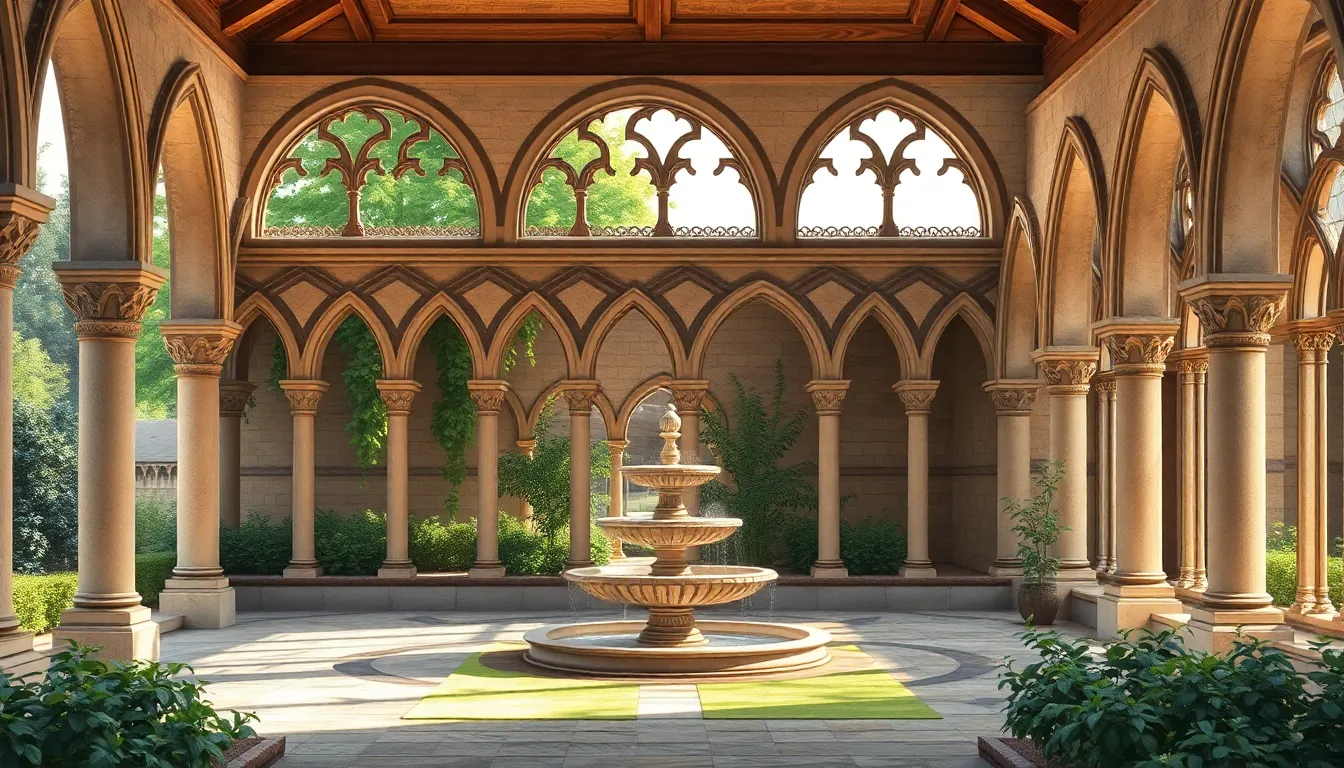
Step into the serene world of cloister architecture, where tranquility meets timeless beauty. Imagine wandering through peaceful arcades, surrounded by lush gardens and the gentle sound of trickling water. Cloisters have a way of whisking you away from the chaos of modern life, offering a glimpse into a simpler, more contemplative time.
Overview of Cloister Architecture
Cloister architecture encompasses a unique design, characterized by enclosed walkways that surround tranquil gardens. These structures originated in the monastic traditions of Medieval Europe, where they provided calm spaces for reflection and prayer. Elements such as pointed arches and intricate stone carvings often adorn cloisters, enhancing their aesthetic appeal and spiritual significance.
Architecturally, cloisters serve as transitions between different areas, linking churches, chapter houses, and living quarters. Courtyards typically contain lush greenery, fountains, or other natural features, contributing to a serene atmosphere. The layout promotes a peaceful environment, encouraging meditation and contemplation.
Historically, the design aimed to foster a self-sufficient living space for monks and nuns. Isolation from the external world reinforced the community’s dedication to spiritual practices. Various styles emerged, showcasing local materials and craftsmanship. Gothic, Romanesque, and Renaissance influences shaped many cloisters found across Europe.
Significant examples include the Cloisters at the Metropolitan Museum of Art in New York and the beautiful cloister at Mont Saint-Michel in France. Each exemplifies a blend of natural beauty and architectural skill. Visitors often find themselves captivated by the harmony between built structures and nature.
Cloister architecture resonates today, inspiring contemporary designs that integrate natural surroundings into urban settings. Developers frequently draw on these historical principles, creating spaces that prioritize tranquility and reflection in bustling environments. This timeless appeal continues to attract those seeking a moment of peace amid chaos.
Historical Background
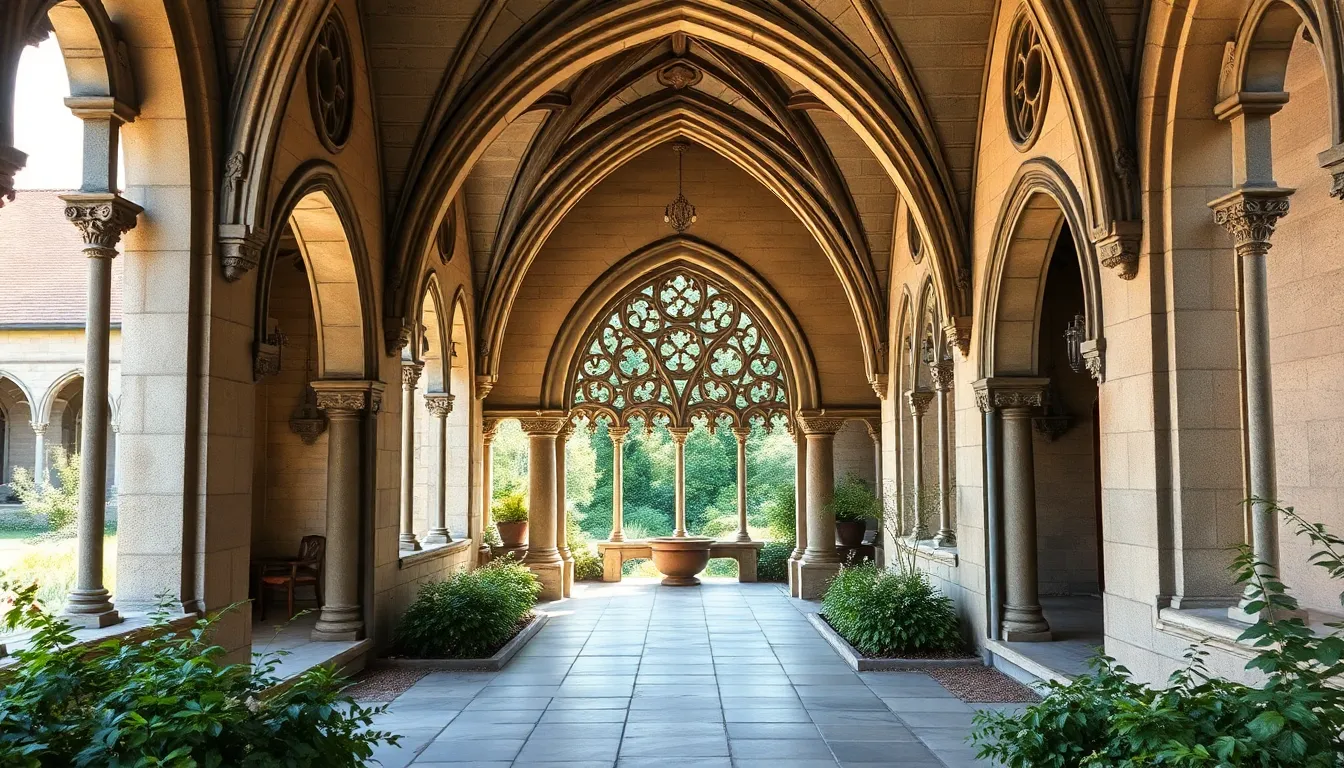
Cloister architecture boasts a rich history, deeply rooted in monastic traditions. These serene spaces provide not only tranquility but also a glimpse into their historical significance.
Origins of Cloister Architecture
Cloisters originated in early Medieval Europe, emerging primarily within monastic communities. These structures were designed to facilitate reflection and prayer among monks and nuns. They featured covered walkways that enclosed gardens, allowing for peaceful contemplation. The essential design elements included pointed arches and intricately carved stone details, showcasing local craftsmanship. Monastic life heavily influenced the architecture, emphasizing isolation and spirituality.
Evolution Through the Ages
Cloister design evolved significantly from the Medieval period to modern times. Gothic architecture introduced taller arches and more elaborate decorations, enhancing the structural beauty. The Renaissance brought about a revival of classical elements, with symmetry and proportion becoming paramount. By the Baroque era, cloisters began to incorporate dramatic designs and ornate details, reflecting the changing tastes. Contemporary interpretations prioritize harmony with the environment, integrating natural elements into urban settings. As a result, cloisters today blend historical features with modern aesthetics, maintaining their tranquil essence.
Key Features of Cloister Architecture
Cloister architecture exhibits distinct characteristics that define its serene and contemplative nature. Structural elements play a crucial role in creating this tranquil environment.
Structural Elements
Cloisters feature covered walkways that connect various sections of monastic complexes. They often incorporate pointed arches, which enhance verticality and elegance. Solid stone columns frequently support these arches, contributing to the robust appearance of the architecture. Engaging carvings adorn lintels and capitals, showcasing local craftsmanship and artistry. Courtyards typically contain lush gardens, providing visual relief and promoting tranquility. Water features such as fountains add auditory serenity, enriching the overall atmosphere. Each element works together to create peaceful spaces conducive to meditation and reflection.
Design Principles
Simplicity defines the design principles of cloister architecture. Designs emphasize symmetry and proportion, allowing for balanced aesthetics. Open spaces create a sense of freedom, encouraging a connection between the indoor and outdoor environments. Natural light plays an essential role, illuminating walkways and enhancing the mood of the spaces. Additionally, designs prioritize harmony with nature, integrating surrounding landscapes into the architecture itself. Materials used often reflect local availability and traditions, adding authenticity to each structure. This focus on thoughtful design fosters tranquility and encourages spiritual contemplation, making cloisters timeless sanctuaries.
Notable Examples of Cloister Architecture
Cloister architecture boasts remarkable examples that illustrate its serene beauty and historical significance.
Famous Cloisters Around the World
The Cloisters at the Metropolitan Museum of Art in New York serve as a premier example of Medieval architecture, featuring a collection of European medieval art set within tranquil gardens and serene courtyards. Located in France, the Cloister of Mont Saint-Michel captivates visitors with its stunning views and intricate stone detail, seamlessly blending spirituality with nature. The cloisters of Chartres Cathedral, renowned for their striking Gothic design, enhance the spiritual experience through elegant arches and rich history. Each of these iconic sites represents the harmony between architectural finesse and contemplative spaces.
Unique Regional Variations
Regional variations in cloister architecture reveal diverse adaptations of form and function. In Spain, the cloisters of the Monastery of San Juan de los Reyes integrate Gothic and Mudéjar elements, showcasing unique decorative tiles and elaborate structures. Italy’s cloisters often reflect Renaissance ideals, emphasizing symmetry and proportion, with examples like the Cloister of Santa Maria Novella standing out due to its elegant design. Additionally, the austere yet captivating cloisters of the Cistercian monasteries in Europe highlight simplicity, focusing on minimalism while promoting meditation. Such variations enrich the understanding of cloister architecture’s adaptability across cultures and eras.
Modern Interpretations of Cloister Architecture
Modern interpretations of cloister architecture emphasize harmony with nature while incorporating contemporary design elements. Architects focus on sustainability, often using local materials that reflect cultural contexts. Enclosed walkways remain a key feature, providing access to green spaces that foster tranquility.
New designs frequently incorporate technology, integrating features like solar panels and rainwater harvesting systems. Courtyards often include native plants while maintaining the essence of reflection and serenity. Planners prioritize the creation of multifunctional spaces that serve both spiritual and community needs.
Several recent projects, such as the new cloisters at the National Shrine of Our Lady of La Leche in Florida, highlight these contemporary approaches. This design features wide arches and expansive gardens that connect visitors to the environment. Prominent architects often draw inspiration from historical styles while infusing modern sensibilities.
Innovative spaces in urban settings increasingly reflect cloister concepts, with rooftop gardens and vertical greenery offering refuge from city life. Light-filled corridors continue to enhance the peaceful atmosphere, combining aesthetics with functionality.
Adapting historical features helps maintain a dialogue between old and new, allowing cloisters to remain relevant today. Influences from global cultures contribute to this evolution, as seen in diverse structures across various regions.
Cloisters not only serve as spiritual havens but also act as community focal points, inviting broader engagement. Trends in modern cloister architecture demonstrate a commitment to tranquility, connection, and sustainability, ensuring their place in contemporary society.
Cloister architecture embodies a unique blend of history and tranquility. Its evolution from monastic retreats to modern community spaces highlights the enduring appeal of these serene environments. Today’s cloisters not only honor traditional craftsmanship but also embrace sustainability and innovation. By integrating natural elements and contemporary design, they continue to provide peaceful sanctuaries that foster reflection and connection. As urban landscapes evolve, cloisters remain relevant, serving as vital spaces for both spiritual contemplation and community engagement. Their timeless beauty and functionality ensure that they will continue to inspire future generations.