
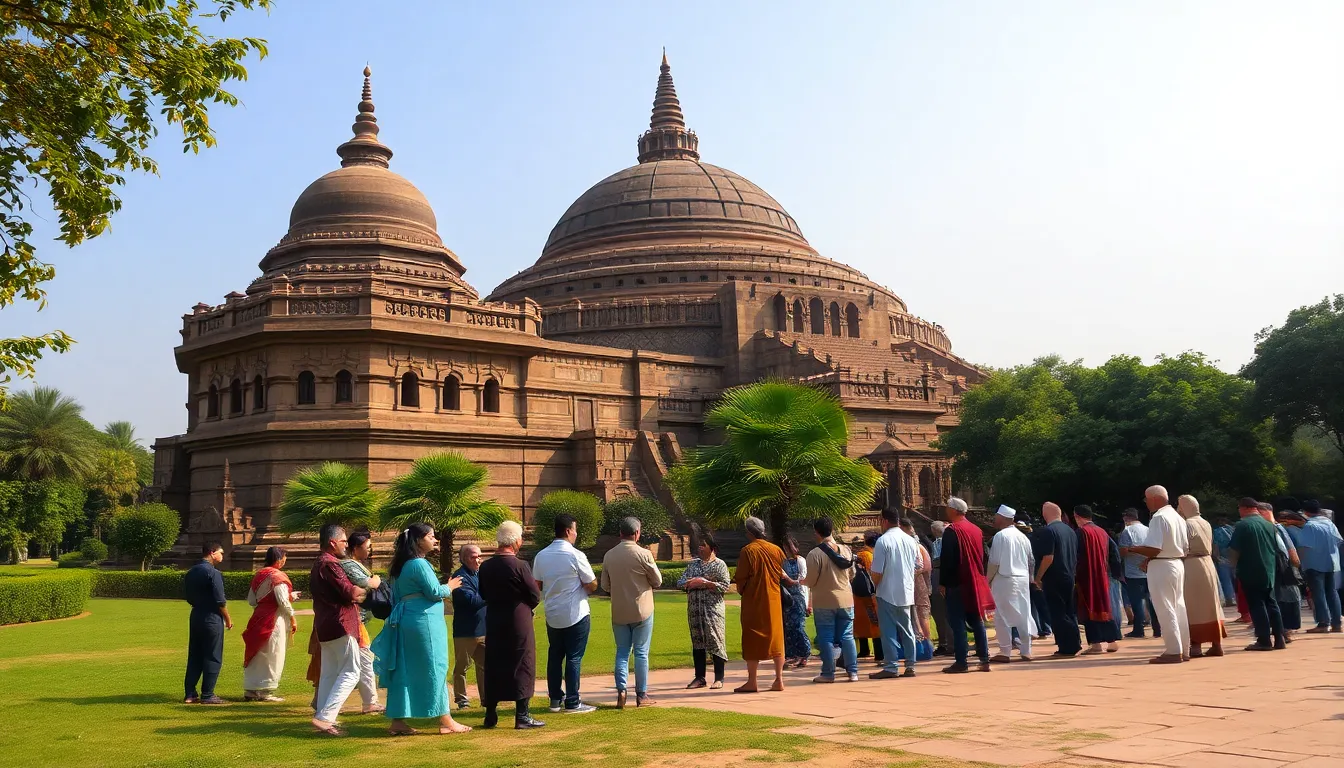
Buddhism architecture isn’t just about building temples; it’s about crafting spaces that inspire peace and enlightenment. Picture soaring stupas and serene monasteries that seem to whisper ancient wisdom. These structures don’t just house monks; they house centuries of spiritual tradition and artistic expression.
Overview of Buddhism Architecture
Buddhism architecture serves as a visual representation of spiritual concepts. Significant structures include stupas, monasteries, and temples. Stupas, dome-shaped monuments, symbolize the enlightened mind of Buddha. They often contain relics and sacred texts, serving as places for meditation.
Monasteries offer living spaces for monks and act as centers for learning. Constructed with communal areas, their design fosters a sense of community. These spaces typically reflect local materials and craftsmanship, showcasing regional cultural influences.
Temples, designed for worship, vary greatly in style and scale across different countries. Each temple features intricate carvings and statues of deities that enhance the spiritual atmosphere. The layout often incorporates :gardens, water elements, and statues which promote tranquility.
Symbolism plays a vital role in the architectural intricacies of Buddhism. Common motifs include lotus flowers, representing purity, and mandalas, signifying the universe. Architects integrate these elements into designs, inspiring reflection and meditation.
In various regions, such as Southeast Asia and Tibet, distinct architectural styles emerged. Khmer temples reflect Hindu influences, showcasing grand stone carvings. Meanwhile, Tibetan architecture features vibrant colors and intricate murals that tell religious stories.
Overall, the evolution of Buddhism architecture illustrates the intertwining of spirituality and artistry. Each structure, whether an ornate temple or a simple stupa, embodies the essence of Buddhist teachings. As a result, these buildings foster environments that lead individuals toward peace and enlightenment.
Historical Development
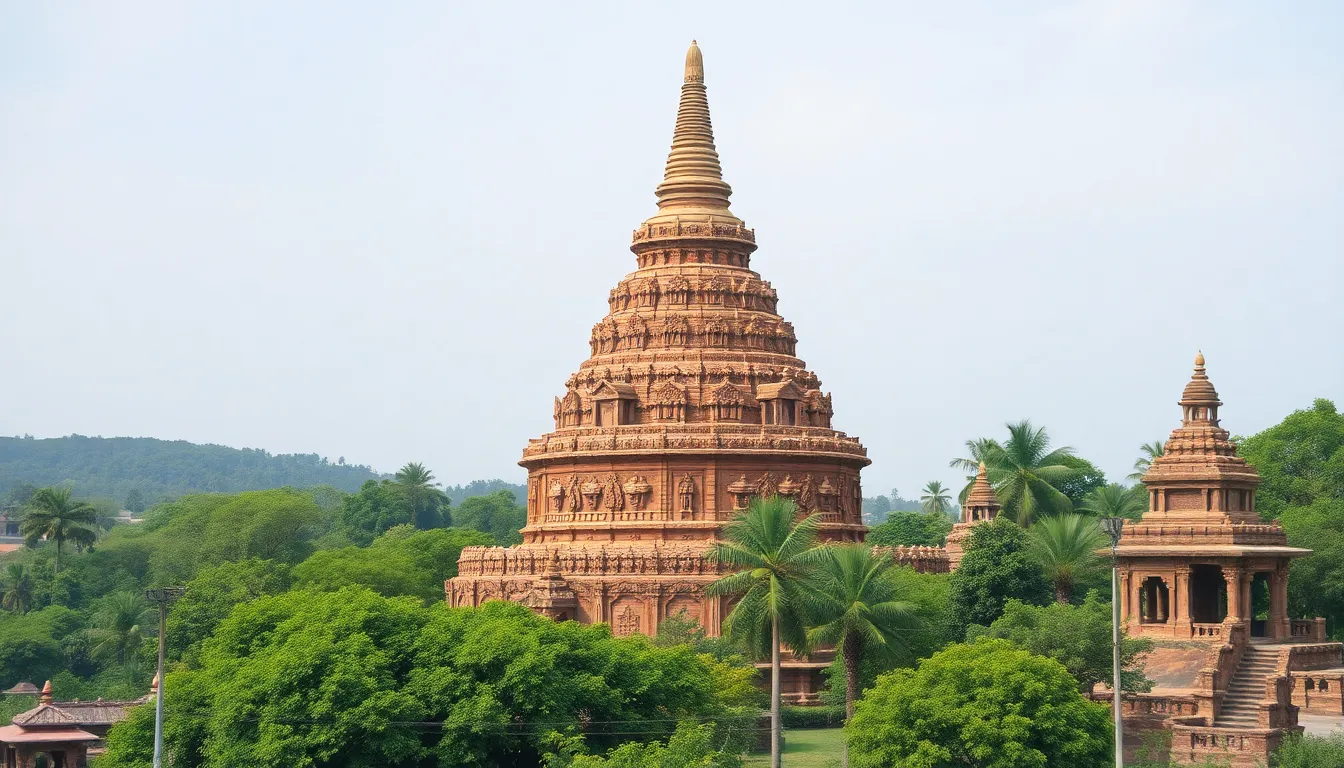
Buddhist architecture evolved through various influences and styles, reflecting spiritual beliefs and cultural exchanges. This architecture not only served religious purposes but also expressed artistic creativity across regions.
Early Influences
Early Indian architecture significantly shaped Buddhist structures. As Buddhism emerged in the 5th century BCE, rock-cut caves marked sites for meditation and worship. The use of simple forms, like stupas, emerged from pre-existing burial mounds. Architecture adopted local traditions while integrating elements of wood and brick design. Local artisans contributed unique regional aesthetics, creating a foundation for future developments in Buddhist architecture.
Key Periods and Styles
Buddhist architecture underwent major transformations during key historical periods. The Maurya period (322-185 BCE) saw the construction of the Great Stupa at Sanchi, a prominent example of early Buddhist architecture. During the Gupta Empire (c. 320-550 CE), intricate carvings and sculptures flourished. Notably, cave temples like Ajanta and Ellora showcased exquisite murals. By the 7th century, Tang dynasty China produced vibrant temple designs characterized by elaborate roofs. Each of these periods contributed distinct styles, enriching the architectural legacy of Buddhism across Asia.
Major Architectural Features
Buddhist architecture showcases essential elements that reflect spiritual ideals. Structures like stupas, temples, and monasteries create environments conducive to meditation and learning.
Stupas
Stupas serve as significant monuments within Buddhist architecture. These dome-shaped structures symbolize the enlightened mind of Buddha and often contain relics or sacred texts. Pilgrims visit stupas to engage in meditation and reflection. Examples like the Great Stupa at Sanchi highlight the architectural grandeur and historical significance. Notably, stupas frequently incorporate intricate carvings that convey Buddhist teachings, enhancing their spiritual presence within the landscape.
Temples
Temples function as spaces for worship and communal gatherings in Buddhist practice. Architectural styles of temples vary widely across regions, reflecting local cultural influences. Intricate carvings, statues, and colorful murals adorn temple exteriors and interiors, creating a visually rich experience for visitors. Prominent sites, such as Wat Pho in Thailand and the Golden Temple in Japan, exemplify the diversity and beauty of temple architecture. Gardens and water features often accompany these structures, emphasizing tranquility and fostering meditation.
Monasteries
Monasteries provide living quarters for monks and act as centers for learning and spiritual cultivation. They often feature distinctive architectural styles that represent local materials and craftsmanship. Spaces within monasteries include meditation halls, dining areas, and study rooms that facilitate spiritual practice. Well-known monasteries, such as the Shaolin Monastery in China and Namdroling Monastery in India, illustrate the importance of community and discipline in Buddhist life. Such structures play a vital role in preserving cultural heritage while nurturing the spiritual development of individuals.
Regional Variations
Buddhism’s architectural expressions vary significantly across regions, reflecting unique cultural influences and spiritual beliefs.
Tibetan Buddhism Architecture
Tibetan Buddhism architecture showcases vibrant colors and intricate designs. Structures such as monasteries and stupas reflect the region’s spiritual significance and artistic creativity. The potala palace, a stunning example, served as both a monastic complex and the winter residence of the Dalai Lamas. These buildings often feature mandalas and thangka paintings, inviting deep contemplation. Wood, stone, and earth are commonly used, integrating natural materials into the sacred spaces. Monasteries like Tashi Lhunpo highlight the importance of communal living and education within the Tibetan Buddhist tradition.
Southeast Asian Architecture
Southeast Asian architecture highlights the blend of local traditions and Buddhist influences. Notable examples include the iconic Angkor Wat in Cambodia, characterized by its grand scale and intricate stone carvings. Temples in Thailand, such as Wat Arun, exhibit colorful ceramic tiles and towering spires, symbolizing spiritual aspirations. These structures often incorporate elements of Hindu architecture, showcasing historical cultural exchanges. The use of surrounding gardens and reflections in water enhances the tranquil atmosphere found in these sites. Each temple serves as a hub for worship and community gathering, illustrating the vital role of architecture in religious life.
Japanese Buddhist Architecture
Japanese Buddhist architecture features a harmonious integration of nature and spirituality. Temples such as Todai-ji exhibit monumental wooden structures, housing the Great Buddha statue and providing a sense of awe. Zen gardens accompany many temples, promoting meditation and mindfulness. The use of simplicity in design, characterized by wooden beams and thatched roofs, reflects an appreciation for natural beauty. Structures like the Horyu-ji Temple represent some of the oldest architecture in Japan, blending local styles with Buddhist principles. Each site serves as a reminder of the enduring legacy of Buddhism within Japanese culture.
Contemporary Trends
Contemporary trends in Buddhist architecture reflect a dynamic fusion of traditional principles with modern innovations. Architects implement sustainable materials and practices to meet the needs of environmental stewardship while preserving spiritual integrity. Designs often incorporate natural light, enhancing meditation spaces while promoting a serene atmosphere.
Cultural dialogues influence these modern structures, with many photographers, artists, and designers collaborating to create spaces that resonate with local communities. Integrating contemporary art elements within traditional architectural frameworks captures the essence of Buddhist teaching while appealing to younger generations.
Technological advancements also play a pivotal role in today’s designs. 3D printing, for instance, allows for intricate details that honor ancient crafts without extensive labor. Buildings that incorporate smart technologies facilitate comfortable environments, ensuring that spaces adapt to the needs of their users.
Noteworthy examples include the Dharmakaya Center for Well-Being in the United States. This center embraces eco-friendly principles, utilizing meditation-focused layouts and nature integration to provide tranquility. The Li Wenhua Buddhist Cultural Center in China exemplifies a blend of contemporary design with classic influences, showcasing striking lines and expansive glass façades.
Many contemporary Buddhist structures prioritize community engagement, creating multifunctional spaces that serve as cultural hubs. Workshops, art exhibitions, and meditation sessions often take place, fostering connections among practitioners and attracting newcomers. This movement toward inclusivity and accessibility emphasizes the relevance of Buddhist teachings in a fast-paced world.
Overall, contemporary trends in Buddhist architecture showcase a commitment to spiritual integrity while embracing innovation. These evolving designs embody a harmonious relationship between tradition and modernity, inviting individuals into spaces for reflection, learning, and community building.
Buddhist architecture stands as a testament to the rich spiritual and cultural heritage that shapes its forms across the globe. Each structure tells a unique story of devotion and artistic expression, inviting individuals to explore deeper meanings and connections within the built environment.
As modern architects continue to draw inspiration from traditional designs while integrating innovative practices, the essence of Buddhism remains alive and relevant. These contemporary spaces not only honor the past but also serve as vibrant hubs for community engagement and spiritual growth.
The evolution of Buddhist architecture reflects a harmonious blend of tradition and modernity, ensuring that these sacred spaces continue to inspire generations to come.