
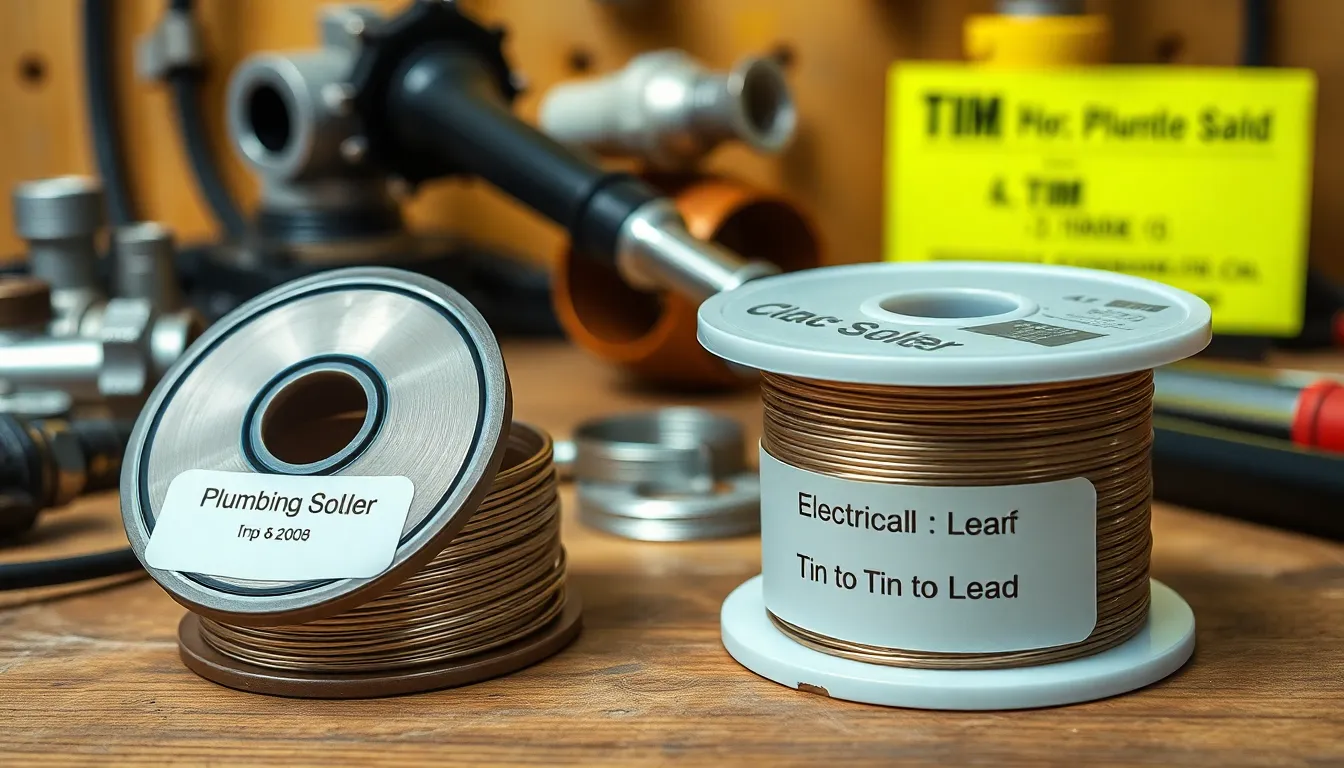
In the battle of soldering supremacy, plumbing and electrical solder go head-to-head like two heavyweight champions in the ring. While both are essential for keeping the world running smoothly, they’ve got their own unique quirks that set them apart. Imagine plumbing solder as the tough guy in a tool belt, ready to seal those pipes with a firm handshake, while electrical solder is the brainy sidekick, expertly connecting wires to keep the lights on.
Overview of Soldering
Soldering involves melting a filler metal to join metal parts. Different types of solder exist, tailored specifically for various applications. Plumbing solder primarily focuses on creating leak-proof seals for pipes, ensuring water integrity. Electrical solder, in contrast, specializes in forming electrical connections, enhancing conductivity in circuits.
In plumbing work, solder typically contains lead-free alloys such as tin and copper. These elements provide durability and resistance to corrosion. For electrical applications, solder usually features a combination of tin and lead or a lead-free alternative, prioritizing efficient electrical flow.
Temperature plays a crucial role in soldering. Plumbing solder functions effectively at temperatures around 450°F, while electrical solder requires slightly lower temperatures, typically between 350°F and 400°F. These temperature ranges influence the choice of tools and techniques, affecting the overall effectiveness of the soldering process.
Safety remains a top priority for both types of solder. Using plumbing solder mandates proper ventilation due to the potential release of harmful fumes. On the other hand, electrical solder requires careful handling to avoid damaging sensitive electronic components during the soldering process.
Learning the differences between plumbing and electrical solder enhances a person’s capability to choose the right material for the job. Each type serves a distinct purpose, influencing overall performance in its respective application. Understanding these characteristics empowers users to engage in successful soldering.
Plumbing Solder

Plumbing solder plays a crucial role in creating strong, leak-proof joints in piping systems. Professionals use various types tailored for specific plumbing tasks, ensuring durability and resistance to corrosion.
Types of Plumbing Solder
Lead-free solder is the most common choice, utilizing alloys such as tin and copper for enhanced safety. A high-tin content formula promotes better fluidity and adhesion, making it ideal for intricate connections. Another option, silver solder, offers superior strength and is suitable for high-pressure applications. Additionally, low-temperature solder allows for easier application in sensitive environments.
Applications of Plumbing Solder
Plumbing solder’s primary application involves joining copper pipes for water supply systems, ensuring reliable seal integrity. In refrigeration systems, solder creates secure connections that withstand varying temperatures. Gas line installations often incorporate specialized solder to guarantee safety and prevent leaks. Additionally, plumbing solder finds use in repairing valves and fixtures, contributing to long-lasting fixture performance.
Electrical Solder
Electrical solder is essential for creating stable connections in electrical circuits. It typically comprises a blend of tin and lead or lead-free options, tailored for optimal conductivity.
Types of Electrical Solder
Common types of electrical solder include lead-based and lead-free varieties. Lead-based solder, often used historically, offers excellent conductivity and creates solid connections. Lead-free solder, in contrast, has gained popularity due to environmental considerations and regulations, containing materials like tin, silver, and copper. Other specialized types, such as solder with rosin core, ease the process by helping to clean and prepare the surfaces for joining.
Applications of Electrical Solder
Electrical solder serves diverse applications in electronics. This solder connects wires in circuit boards, ensuring reliable performance across devices. It secures component connections in appliances, computers, and automotive electronics. Additionally, it finds usage in DIY craft projects, enhancing personal electronics. Understanding these applications enables users to select the right solder for their specific needs, enhancing the effectiveness of their electrical repairs and builds.
Key Differences Between Plumbing and Electrical Solder
Plumbing solder serves primarily to seal pipes and create leak-proof connections. Electrical solder focuses on forming stable connections in electrical circuits. Different materials define each type of solder, with plumbing solder commonly utilizing lead-free alloys like tin and copper. In contrast, electrical solder typically contains a blend of tin and lead or lead-free alternatives to optimize conductivity.
Temperature plays a crucial role in the soldering process. Plumbing solder operates effectively at around 450°F, while electrical solder functions within a slightly lower range of 350°F to 400°F. Different temperature requirements necessitate careful attention during application to ensure successful bonding.
Safety considerations also differ between solder types. Harmful fumes released during plumbing solder application make proper ventilation essential. On the other hand, electrical solder requires cautious handling to avoid damaging sensitive components in electronic devices.
Applications highlight unique purposes for each solder type. Plumbing solder finds use in joining copper pipes for water supply systems, refrigeration systems, and gas line installations. Electrical solder connects wires in circuit boards, secures components in appliances, and enhances projects in automotive electronics and DIY crafts.
Standards for strength and reliability vary as well. High-tin content formulas in plumbing solder promote better fluidity and adhesion, allowing for strong, lasting joints. Electrical solder’s effectiveness relies on high conductivity and stability in securing connections across various electronic applications. Each solder’s specifications influence its suitability for specific tasks, making informed choices critical for successful projects.
Choosing between plumbing and electrical solder depends on the specific needs of the task at hand. Each type of solder serves a unique purpose and is formulated to excel in its respective domain. Plumbing solder is indispensable for creating leak-proof seals in piping systems while electrical solder ensures stable connections in circuits.
Understanding the differences in composition temperature requirements and safety considerations is vital for achieving optimal results. By selecting the right solder for the job individuals can enhance the longevity and performance of their projects. Making informed decisions in soldering not only ensures safety but also contributes to the overall success of plumbing and electrical applications.