
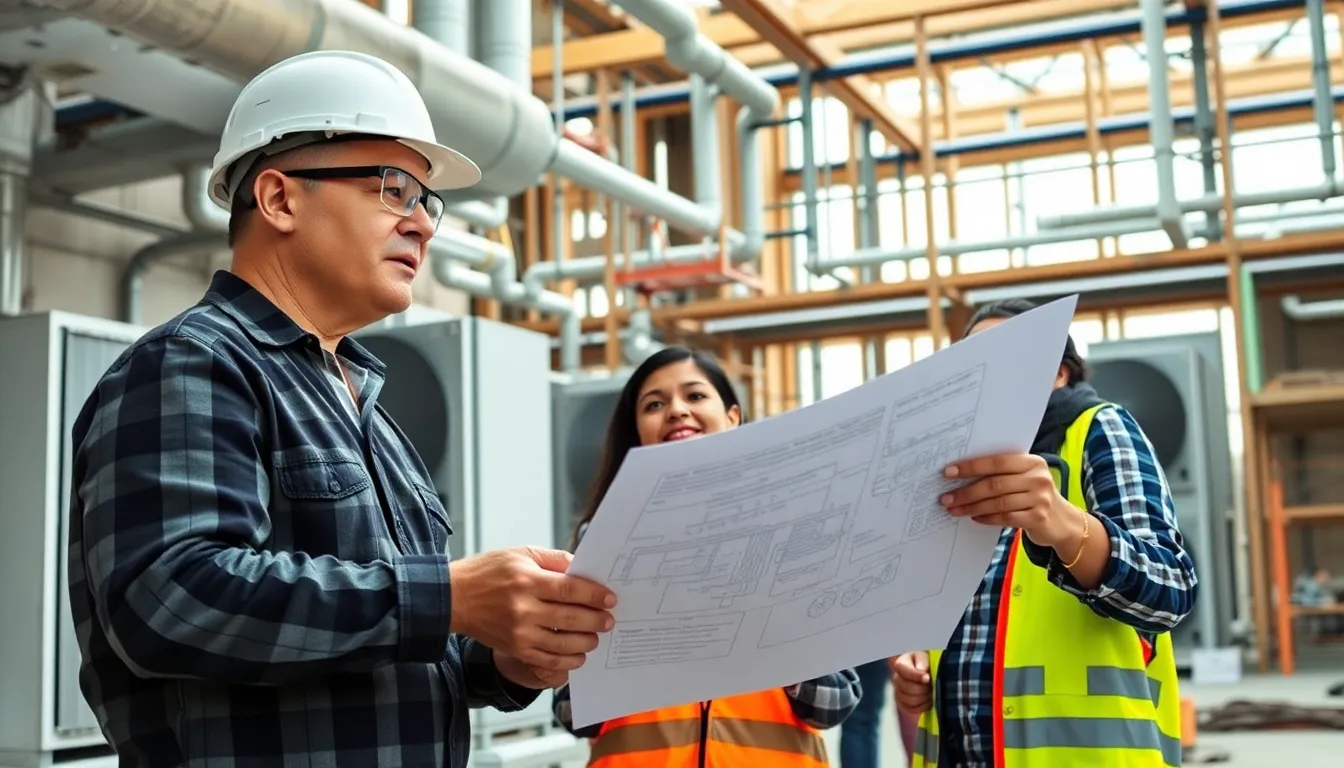
In the world of construction and building design, MEP—Mechanical, Electrical, and Plumbing—plays a starring role, often overshadowed by more glamorous elements like fancy facades and swanky interiors. But let’s be real: without MEP, a building would be about as useful as a chocolate teapot. It’s the unsung hero that keeps everything running smoothly, from heating and cooling to lighting and water flow.
Imagine a life without reliable heating on a cold winter night or flicking a switch only to be greeted by darkness. That’s where MEP steps in, ensuring everything from air conditioning to electrical wiring works harmoniously. Dive into the fascinating world of MEP, where practicality meets innovation, and discover why it’s the backbone of any successful construction project. Get ready to appreciate the magic behind the scenes—because who knew pipes and wires could be so thrilling?
Overview of MEP Mechanical Electrical Plumbing
MEP, standing for Mechanical, Electrical, and Plumbing, encompasses critical systems that support a building’s operational needs. Effective MEP design ensures seamless functionality and contributes to overall building efficiency.
Definition of MEP
MEP refers to the integrated systems that manage a building’s mechanical, electrical, and plumbing services. Mechanical systems include heating, ventilation, and air conditioning. Electrical systems address power distribution, lighting, and communication networks. Plumbing systems manage potable water supply and waste removal. Each component works in harmony to maintain safety, comfort, and efficiency throughout the facility.
Importance of MEP in Construction Projects
MEP plays a vital role in construction projects by ensuring reliable performance and energy efficiency. Effective MEP installation enhances comfort through optimal heating and cooling solutions. It minimizes operational costs by promoting energy-efficient designs. Additionally, it ensures compliance with safety regulations and standards, reducing risks for occupants. Successful integration of MEP systems contributes to overall project value while supporting long-term sustainability objectives.
Components of MEP Systems
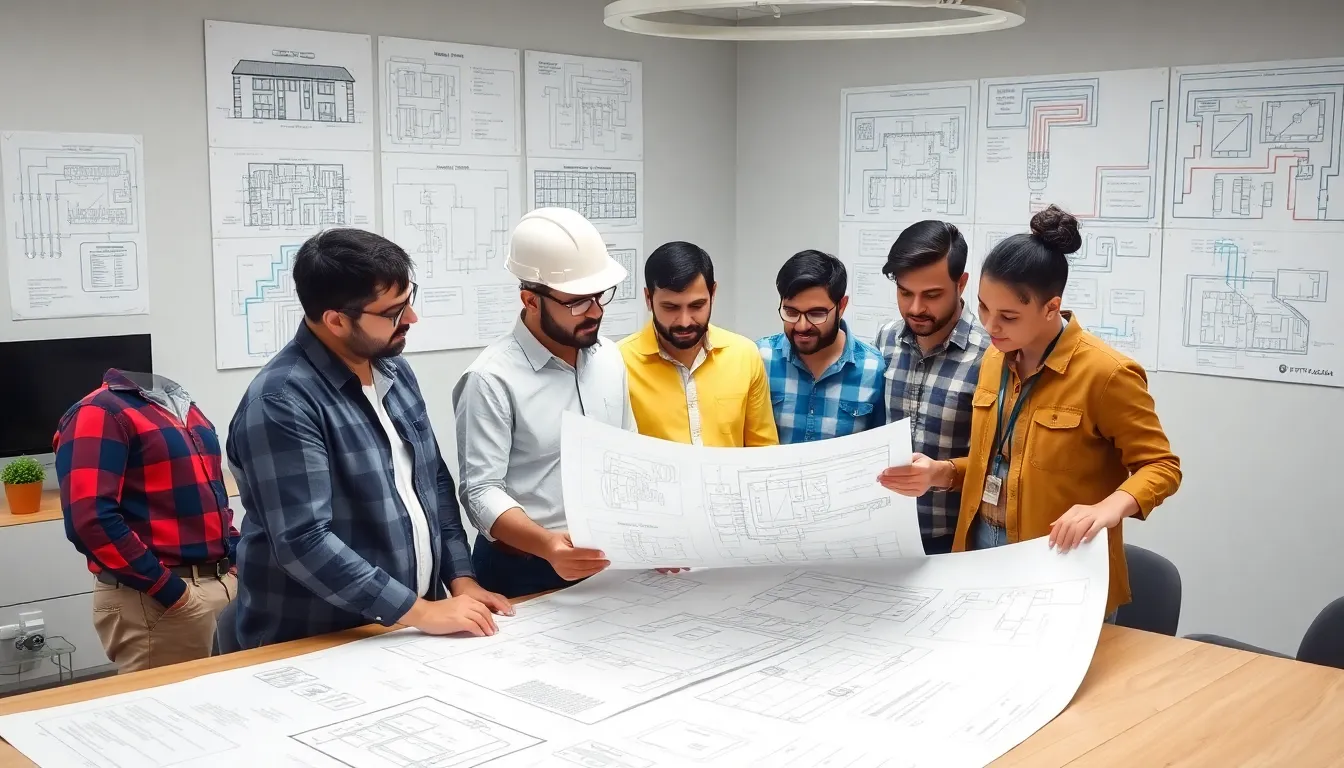
MEP systems consist of three main components: mechanical, electrical, and plumbing systems. Each component operates in a coordinated way to ensure building functionality and efficiency.
Mechanical Systems
Mechanical systems include heating, ventilation, and air conditioning (HVAC). Proper HVAC design guarantees comfortable indoor temperatures and air quality. These systems use ducts, chillers, boilers, and fans to distribute air throughout a building, balancing thermal comfort and energy efficiency. Effective insulation and zoning further enhance their efficiency. Regular maintenance, such as filter changes and system checks, ensures optimal performance and prolongs equipment life.
Electrical Systems
Electrical systems encompass power distribution and lighting services within buildings. Power distribution involves the safe delivery of electricity to various circuits, supporting everything from outlets to large machinery. Lighting systems, both indoor and outdoor, feature energy-efficient options like LEDs, which reduce utility costs and enhance safety. Furthermore, integrating smart technologies allows for automated control of lights and energy management, contributing to sustainability goals. Protecting electrical systems with grounding and circuit breakers enhances safety and reliability.
Plumbing Systems
Plumbing systems ensure the seamless supply and removal of water. They include supply lines, drainage systems, and fixtures such as sinks, toilets, and showers. Proper design of these systems prevents leaks, minimizes water waste, and ensures adequate pressure. Drainage systems must conform to codes to manage wastewater effectively, while rainwater harvesting and greywater recycling add sustainability practices. Regular inspections help identify issues and maintain system integrity, ensuring safe water distribution and disposal.
Design Considerations for MEP
Effective MEP design incorporates various factors that enhance a building’s functionality and efficiency. Prioritizing energy efficiency and sustainability practices leads to long-term operational savings.
Energy Efficiency
Implementing energy-efficient designs significantly reduces operating costs. HVAC systems can utilize programmable thermostats, allowing for optimized temperature control that adapts to occupancy. Advanced lighting systems, like LED fixtures, consume less power while providing adequate illumination. Utilizing energy modeling during the design phase helps predict energy consumption and identify potential savings. Incorporating high-performance insulation materials improves thermal efficiency, reducing heating and cooling needs. Investing in renewable energy sources, such as solar panels, further enhances energy efficiency while decreasing reliance on nonrenewable resources.
Sustainability Practices
Focusing on sustainability equips buildings to meet today’s environmental challenges. Incorporating water-efficient fixtures reduces waste and lowers utility bills. Implementing rainwater harvesting systems enhances water supply while promoting conservation. Using recycled materials throughout MEP components minimizes environmental impact and supports circular economy principles. Integrating energy management systems enables real-time monitoring, helping to identify energy usage patterns and improve efficiency. Including green roofs or living walls offers natural insulation while improving biodiversity and air quality.
Challenges in MEP Implementation
MEP implementation involves several challenges that can impact project success. Coordination among disciplines presents a significant hurdle.
Coordination Among Disciplines
Work flows more smoothly when multidisciplinary teams collaborate effectively. Architects, engineers, and contractors must communicate consistently to align their designs and plans. Conflicts often arise when systems clash, leading to delays and additional costs. Regular meetings and shared platforms improve transparency and foster collaboration. Utilizing Building Information Modeling (BIM) can greatly enhance coordination efforts, allowing for real-time updates and visibility of each component. Overcoming these coordination challenges enhances overall project efficiency.
Compliance with Regulations
Meeting regulatory standards poses another challenge in MEP projects. Numerous local, state, and federal codes influence MEP design and implementation. Staying updated with these regulations ensures projects avoid costly fines and redesigns. Specific standards for energy efficiency and safety, such as the International Energy Conservation Code (IECC), require careful attention. Regular training and workshops can keep teams informed about changes in compliance requirements. Proactive approaches to understanding and adhering to these regulations promote smoother project execution.
Future Trends in MEP Mechanical Electrical Plumbing
Advancements in technology and sustainable practices continue to shape the future of MEP systems. Embracing these trends enhances the efficiency and functionality of buildings.
Smart Building Technologies
Smart building technologies revolutionize MEP operations. Sensors monitor environmental conditions and adjust HVAC systems automatically, optimizing energy usage. Integration of IoT devices allows for centralized control of lighting and climate, promoting energy efficiency and comfort. Building managers access data analytics, enabling informed decisions about system performance. Additionally, energy management systems enhance performance through real-time monitoring, providing insights into operational efficiency.
Integration of Renewable Energy Sources
Integrating renewable energy sources into MEP systems transforms building sustainability. Solar panels generate electricity on-site, reducing reliance on traditional power grids. Geothermal systems provide energy-efficient heating and cooling solutions, utilizing the earth’s stable temperature. Implementing rainwater harvesting minimizes water consumption and supports plumbing systems. Moreover, energy storage solutions such as batteries store excess energy for later use, balancing demand and supply. These innovations position buildings as leaders in environmental stewardship while minimizing operational costs.
MEP systems are integral to modern building design and construction. They not only enhance comfort and safety but also play a pivotal role in energy efficiency and sustainability. By prioritizing effective design and implementation, builders can significantly reduce operational costs while meeting regulatory requirements.
As technology advances, the integration of smart systems and renewable energy sources will further elevate MEP’s importance in creating sustainable environments. Embracing these innovations positions buildings to lead in efficiency and environmental responsibility. Recognizing the value of MEP is essential for anyone involved in the construction industry, ensuring that every project achieves its full potential.