
Walk down almost any street in Brunswick, Footscray or Camberwell and you will pass houses that were wired for a completely different century. Many of them were built when a household ran a few light globes, a radio and perhaps a fridge. Today the same walls are expected to carry induction cooktops, home offices, gaming consoles, heat pumps and, increasingly, a car charger in the driveway. The gap between what those circuits were designed for and what we ask of them is where most domestic electrical trouble begins.
This article looks at the warning signs of an overstretched system, the upgrades that tend to deliver the most value, and how to plan the work so it happens once rather than piecemeal.
Table of Contents
ToggleWhy Older Melbourne Properties Struggle
Victoria has a large stock of weatherboard cottages, Edwardian terraces and post-war brick veneers. Each era came with its own wiring habits. Some homes still have rubber-insulated cable that becomes brittle with age, while others have ceramic fuses in a switchboard mounted on a timber panel. Renovations over the decades often add complexity: an extension wired in the 1980s, a kitchen redone in the 2000s, and a bathroom refreshed last year can all sit on one tired main board.
None of this is necessarily dangerous on its own, but layers of mismatched work make faults harder to diagnose and increase the chance that a circuit is protected by the wrong device.
Signs Your System Is Running Out of Headroom
Electrical systems usually tell you when they are under strain, as long as you know what to look for. Common clues include:
- Lights that dim when the kettle, microwave or air conditioner switches on
- Fuses or breakers that trip regularly in the same room
- Power points that feel warm, look discoloured or hold plugs loosely
- A faint burning or hot plastic smell near outlets or the switchboard
- Rooms where every outlet is crowded with double adaptors and power boards
Any one of these deserves a closer look. Several together suggest the house has outgrown its original design.
The Switchboard Is Usually the Starting Point
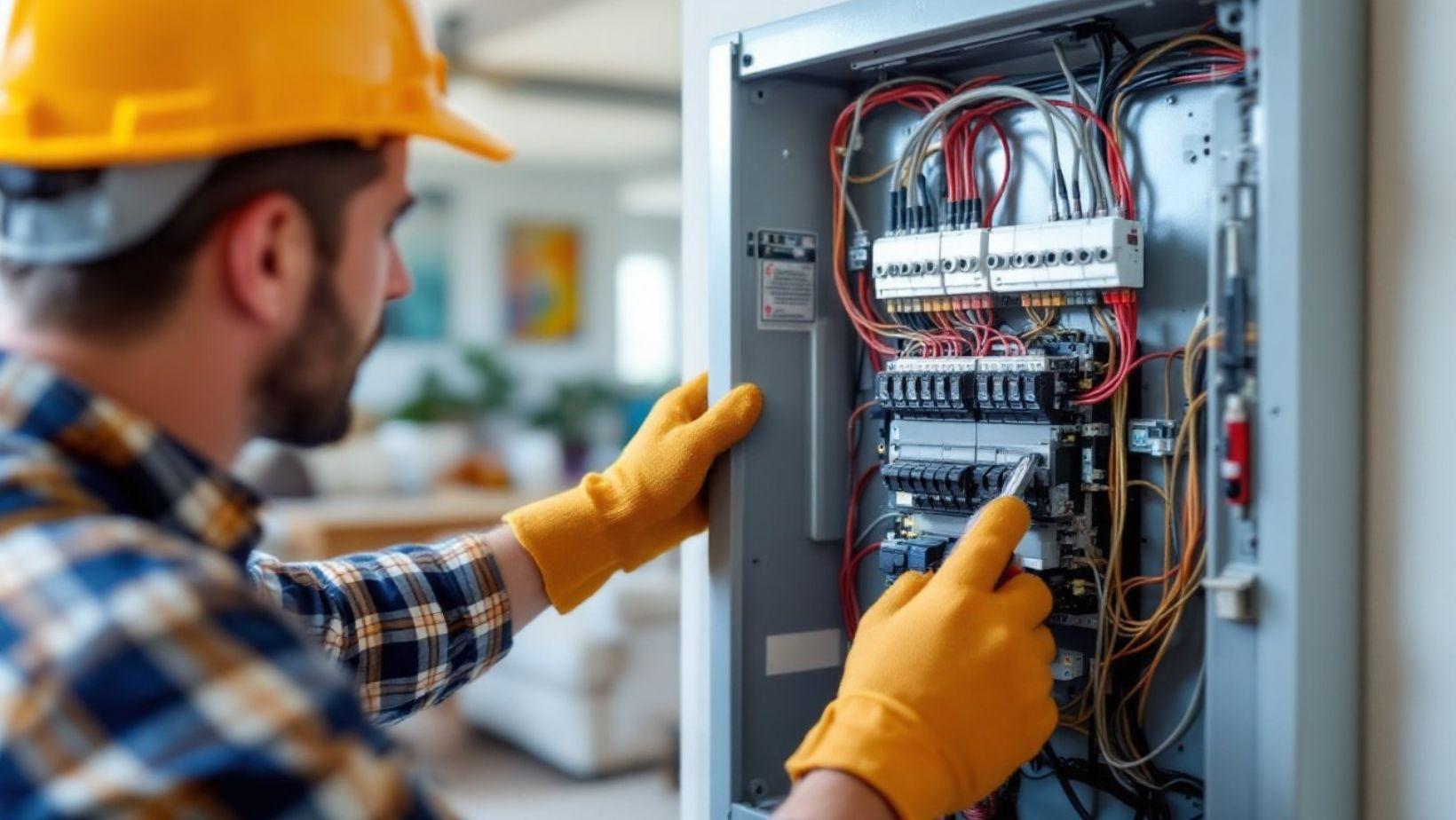
If there is a single upgrade that pays off in most older homes, it is a modern switchboard with residual current devices on every circuit. RCDs cut power in a fraction of a second when current leaks to earth, which is exactly what happens when someone touches a faulty appliance or a cable is damaged. Australian standards now require them on new work, yet a surprising number of established homes still have only partial protection, or none at all.
A new board also makes future additions easier. Spare capacity and clearly labelled circuits mean that when you later add solar, a battery or a dedicated circuit for a workshop, the job is simpler and cheaper.
Planning Upgrades Around How You Actually Live
Before calling anyone, it helps to sketch out the next five years. Are you likely to switch from gas to electric cooking? Is an electric vehicle on the horizon? Will a teenager need a bedroom that doubles as a study? Answers to these questions change the scope of the work.
A qualified electrician can then assess the incoming supply, the main board and the condition of existing cables, and recommend a staged plan. Bundling related tasks, such as rewiring a kitchen while the walls are open for a renovation, saves labour and avoids patching plaster twice.
Lighting and Outlets: Small Changes, Big Comfort
Not every improvement needs to be structural. Swapping halogen downlights for LEDs reduces heat in the ceiling cavity and lowers running costs. Adding power points where furniture actually sits removes the trip hazard of extension leads snaking across the floor. USB outlets beside beds and benches are inexpensive and reduce clutter.
Outdoor lighting deserves attention too. Weatherproof fittings on a timer or sensor improve security and make evening use of the garden more pleasant, and they are far safer than temporary festoon lights plugged in through a window.
Safety Switches, Smoke Alarms and Compliance
Victorian rental properties now have minimum standards around electrical safety checks, and landlords must arrange inspections at set intervals. Owner-occupiers are not bound by the same schedule, but the logic still applies. A periodic check every few years can catch deteriorating connections before they fail.
Smoke alarms are another area where older homes fall behind. Interconnected, hardwired alarms with battery backup provide much earlier warning than a single battery unit in the hallway. If the ceiling is being opened up for other work, it is an ideal moment to install them.
Choosing Someone to Do the Work
Electrical work in Victoria must be carried out by a licensed professional, and a Certificate of Electrical Safety should be issued for most jobs. Ask for this certificate as a matter of course. It is your record that the work meets the relevant standard, and it may matter when you sell the property or make an insurance claim.
Other things worth checking include clear written quotes, a willingness to explain options rather than push the most expensive one, and evidence of experience with homes of a similar age to yours. Older properties come with quirks, and familiarity with them speeds things up.
Getting Ahead of the Next Decade
Electrification is accelerating across Melbourne. Government rebates for heat pumps, solar and batteries, along with the steady rise in electric car ownership, mean household demand will keep climbing. Homes that plan for this now will avoid rushed, expensive retrofits later.
Treat your wiring like any other part of the building fabric: something that ages, needs occasional maintenance and benefits from thoughtful renewal. A well-planned upgrade does more than prevent faults. It gives you the freedom to use your home the way modern life requires, without wondering whether the next appliance will be one too many.